Close
Search
Searching...
No results
    Trend

    Opportunities and risks: Water as a competitive factor

    You need to accept cookies to use this functionality.

    For a long time sustainability initiatives concentrated primarily on energy consumption and CO₂ emissions. Now, though, another resource has come into focus: water. Why something that seems ubiquitous is becoming a precious commodity.   

    The issue of water is having an increasingly significant influence on business decisions and becoming a key competitive factor. Climate change, rising water demand, regulatory standards and growing requirements on water quality are amping up the pressure on companies to take action.  

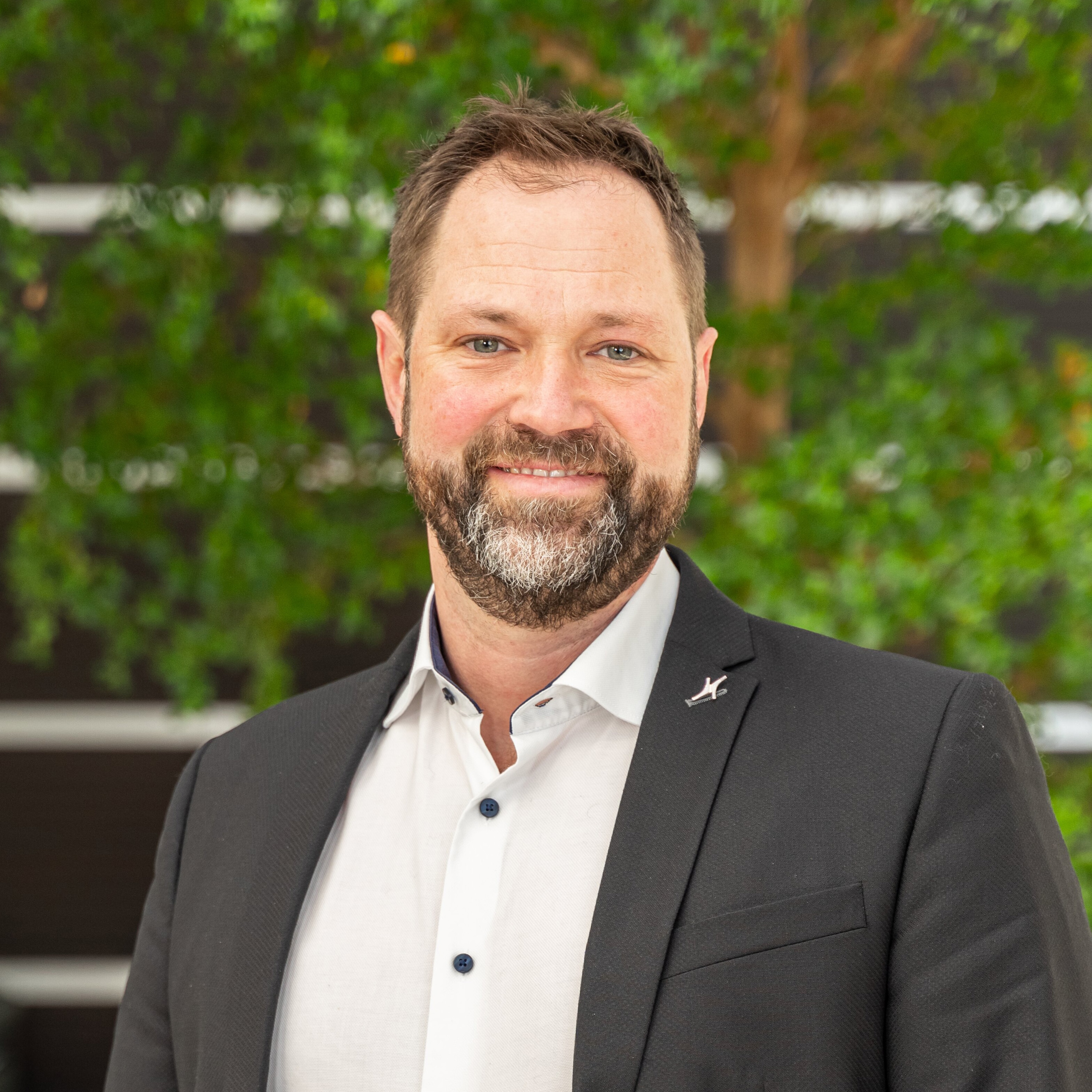
    It is precisely this trend that Sophie Luedecke, a trainee in Corporate Sustainability Management, has been examining closely these last few months. A presentation on the BayWater project awoke her interest in water-related issues. When her trainee programme then led her to the Sustainable Customer Solutions (SCS) department, she thought this was an ideal opportunity to explore water-related challenges in greater depth and get to grips with the associated requirements of our customers.
    From raw material to competitive factor

    During her research, it turned out that it is a long time since water-related risks were confined to traditional arid regions – they are now also making their effects felt in the two markets she analysed, namely Germany and the United Kingdom. The water risk analysis for selected customer sites that was created using the WWF Water Risk Filter (see graphic) threw up some particularly interesting results. Rather surprisingly, at many locations the quality of the resource proved a greater risk factor than its availability. This suggests that future investment could be influenced primarily by rising requirements on treatment and quality standards.

    More than just a sustainability issue

    Environmental and compliance aspects have long been far from the only ones to consider. Changes to the quality of the resource, rising supply and disposal costs and stricter requirements on processing and treatment can have a direct impact on production processes and operating costs. At the same time, new statutory regulations and requirements relating to water efficiency and reuse are increasing the pressure on companies to take action. 

    Added to this is the societal perspective: In regions suffering greater water stress, industrial extraction of the resource draws greater attention from the public and politicians. Water thus influences not only the dependability of production, product quality and investment decisions, but increasingly also the reputation and competitiveness of businesses.

    New requirements from the customer

    How dynamically this trend is developing is also reflected in the strategies of many customers. Leading drinks manufacturers are increasingly pursuing ambitious goals in terms of efficiency, reuse and the regeneration of local water resources. What is more, water-related indicators are also being given greater weighting in internationally recognised rating and evaluation systems such as the CDP (Carbon Disclosure Project) and EcoVadis. As a consequence, companies are having to demonstrate how they are using the resource and what progress they are making in reducing both risks and consumption. Just like Krones and our competitors, many of our customers also contribute to these ratings. Sustainable water management is thus gaining in importance along the entire value chain.

    Water as an emerging field for Krones

    This opens up new opportunities for Krones, because water is of course an essential element of beverage production and closely bound up with resource efficiency, energy consumption, the circular economy and sustainability goals. The need for holistic solutions that fulfil technical, business and regulatory requirements alike is growing accordingly. 

    There are signs of change on the technological front, too: Whereas the focus used to be on complying with discharge limits, now the emphasis is more on reuse strategies and closed-loop systems, the aim being to keep water in the production process for as long as possible and use it multiple times. Particularly far-reaching concepts such as Zero Liquid Discharge even seek to treat and reuse waste water flows almost entirely, so that hardly any water leaves the site. 

    Many industrial companies are now investing in water treatment and recycling facilities. That increases the need for partners who can bring together technical solutions, sustainability requirements and operational practice. This is precisely where there is particular potential for Krones to step in. Instead of just considering individual sub-aspects, we can support our customers along the entire water circuit – from the identification of site-specific risks through the optimisation of water flows to the development of treatment and reuse strategies.

    BayWater: from research to practice

    The urgency now associated with these issues is also evident from the BayWater, a research and industry network in which Krones works alongside other partners from science and industry on solutions that allow water management in the food and beverage industry to be put on a more sustainable footing. The aim is to increase the recycling of industrial process water and reduce the demand for fresh water, chemicals and energy.

    We, as the Sustainable Customer Solutions department, are representing Krones in this cross-functional BayWater project. Our shared aim is to recycle industrial process water as far as possible and to drastically reduce the use of fresh water, chemicals and energy. Erwin HächlMichael RussHead of Sustainable Customer Solutions

    A focal point in this regard is analysing water and waste water flows. What are known as waste water registers, which deliver transparency regarding consumption, water quality and reuse potential, are being developed in collaboration with the Technical University of Munich. The corresponding analyses have already been completed for the breweries involved in the project, with those for dairies currently in the finishing straight. 

    Various treatment technologies are being examined and assessed at the same time. Initial results show that selected process water flows can be treated in a targeted manner and made available for further use. It is also becoming clear that successful solutions must always factor in the respective requirements of water quality and the particular application. The findings obtained provide a solid basis for future consulting and solutions packages relating to the reuse of water, recycling and resource efficiency.

    What happens next 

    Water will become an increasingly important factor in business strategy decisions in the future. Issues such as water risk assessments, water reuse and closed-loop water circuits are set to gain ever more significance. The potential and the possible solutions this presents are already being considered in the BayWater project. The second interim review of the BayWater consortium will be held at Krones in November. At this meeting the findings obtained to date will be discussed and the next steps in the project agreed.

    Want to read more Krones stories?

    You can easily send a request for a non-binding quotation in our Krones.shop. 

    Request new machine
    kronesEN
    kronesEN
    0
    10
    1