Close
Search
Searching...
No results
    Trend

    The right customer solution through partnerships

    You need to accept cookies to use this functionality.

    Whether an established pack format or a new, alternative solution: in the end, the decisive factor in choosing the right secondary packaging is what works in day-to-day production and delivers real added value for the customer. That is why Krones thinks packaging and machine technology together – and deliberately integrates partner expertise to achieve this.

    Anyone investing in new systems or packaging concepts today is rarely deciding on just a machine, a material or a single format. Usually, the decision involves much more: How flexible will production remain? How quickly can new market requirements be addressed? Can I differentiate myself from my competitors? How secure is the investment if consumer preferences or economic conditions change? And above all: Which solution ultimately delivers a real advantage and additional growth? 

    This is exactly where Krones comes in. Not with a prefabricated answer, but with the aim of finding the right solution for each application. This approach becomes particularly tangible when it comes to sustainable packaging solutions. Here, many requirements converge: when it comes to the packaging itself, aspects such as material properties, product protection and brand impact play a role, as do regulatory frameworks. In addition, production must be flexible and scalable, and machines must be easy to operate while requiring as little space as possible. For plant operators, it is crucial that these aspects are not considered in isolation, but in context. The decisive factor is therefore not a single, right technology, but a solution that fits the product, the line, the market and the business model. 
    “The challenges we face today are simply too complex for a single company to solve on its own,” says Maximilian Kühnl, Product Specialist for the dry end at Krones. This is precisely why Krones relies on partnerships when developing new secondary packaging solutions: they broaden the view of possible solutions, contribute additional know-how and help turn an idea into a practical application more quickly. 

    Turning partner expertise into customer benefits

    In packaging technology, Krones works with partners such as DS Smith and Mondi, among others. Both companies contribute extensive experience in packaging, materials and their application – exactly the area in which customers are often faced with far-reaching, complex decisions. 

    The added value of such partnerships does not lie solely in the introduction of a new packaging material. It lies in the fact that the packaging is designed from the outset to match the corresponding machine technology precisely. Packaging is therefore not viewed in isolation as a material issue, but as part of an entire production and marketing process.


    For customers, this means: they receive more sound decision-making bases, can evaluate new options more quickly and reduce the risk that a solution will fail at a late stage due to technical or practical requirements. Because in the end, it always comes down to the packaging holding securely, being easy to handle, performing well on the shelf and, at the same time, being processable on automated lines, even at high speeds. With this partnership-based development approach, Krones complements its expertise in packaging consulting.

    Image 54164
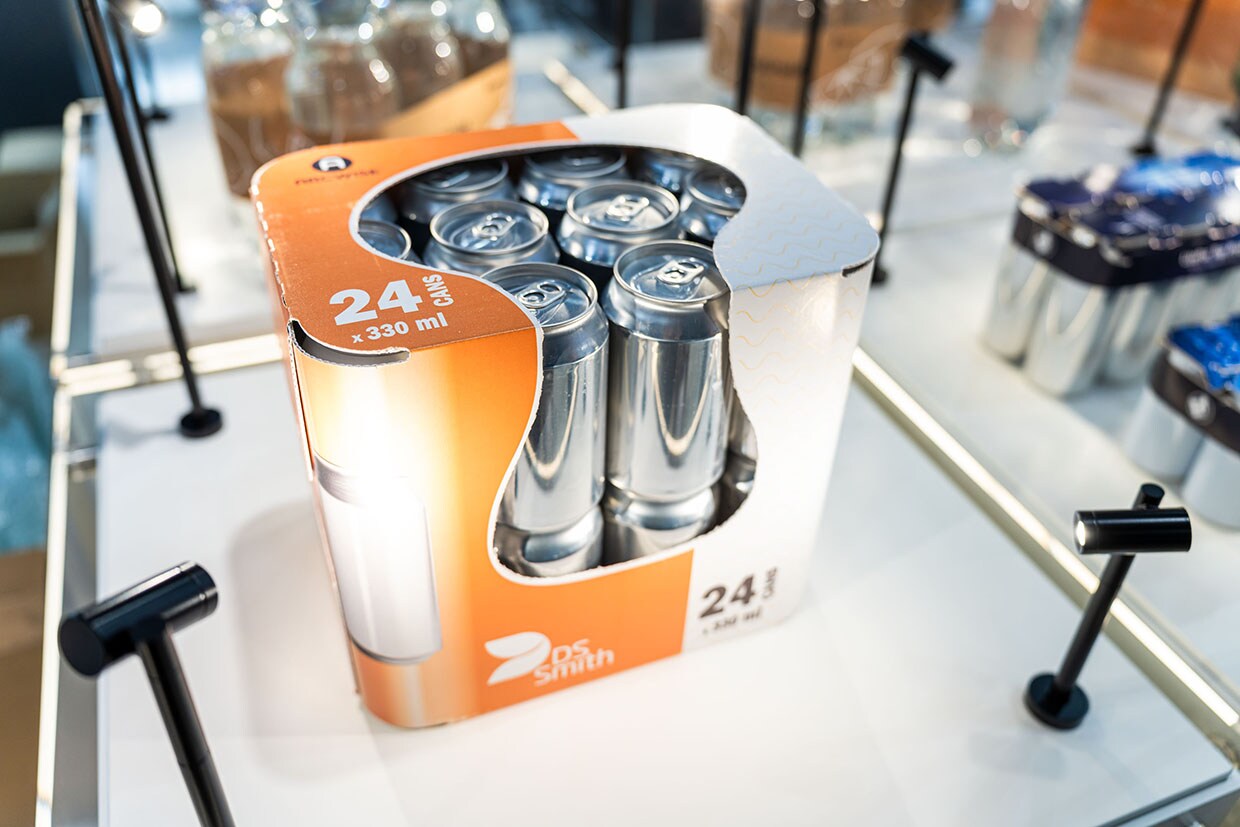
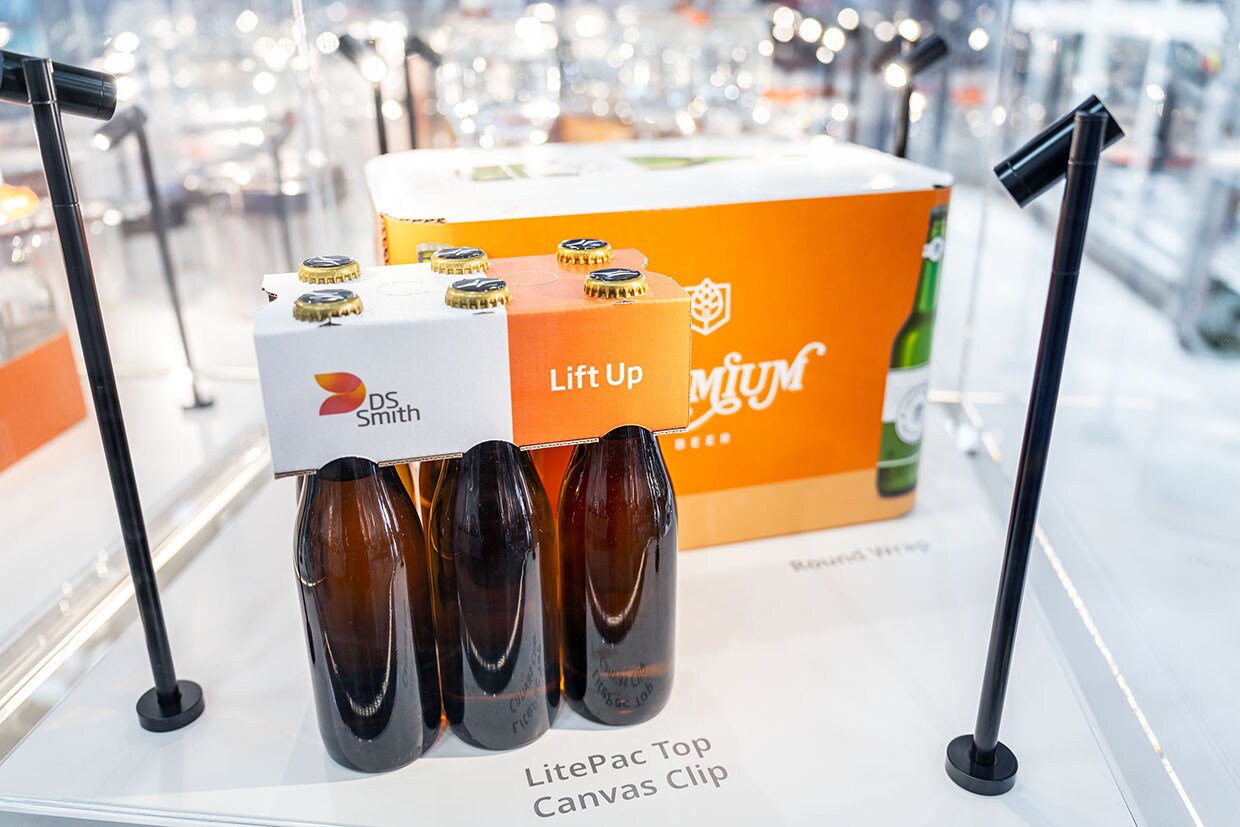
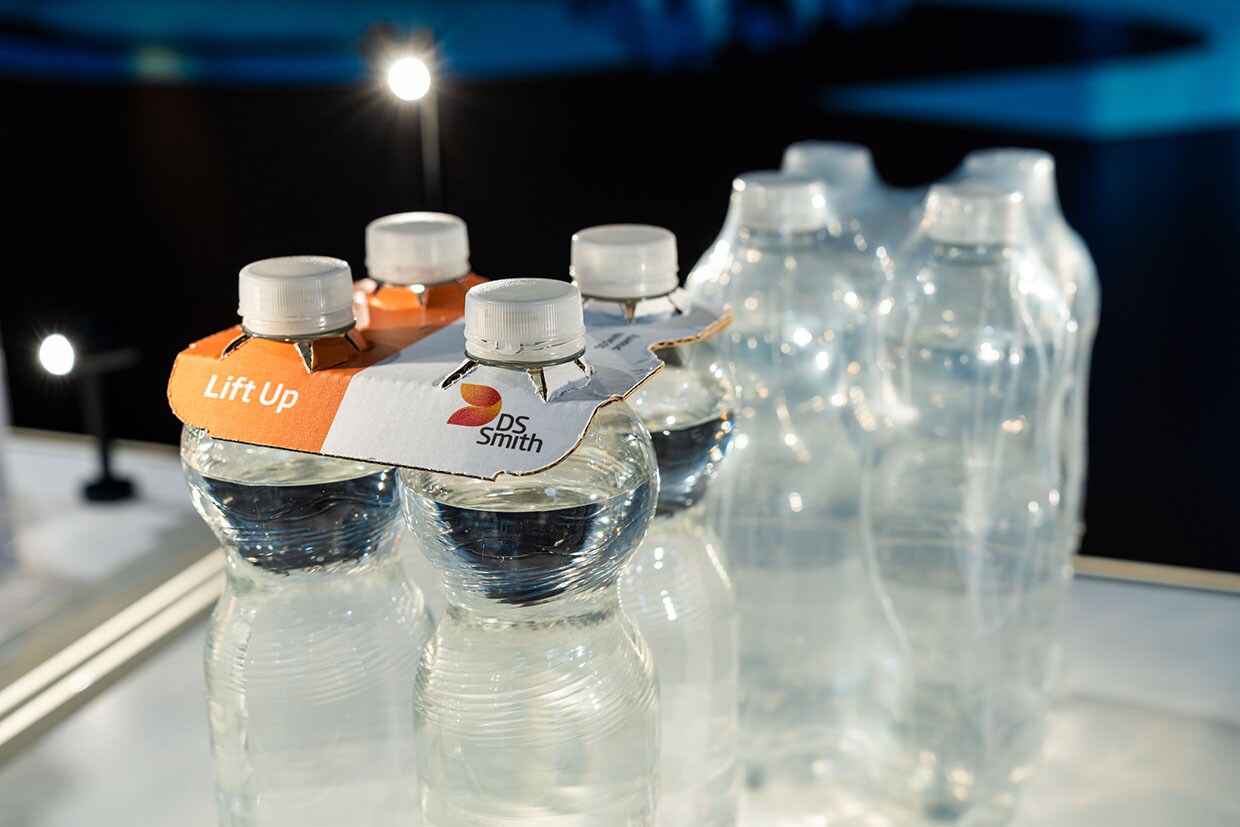
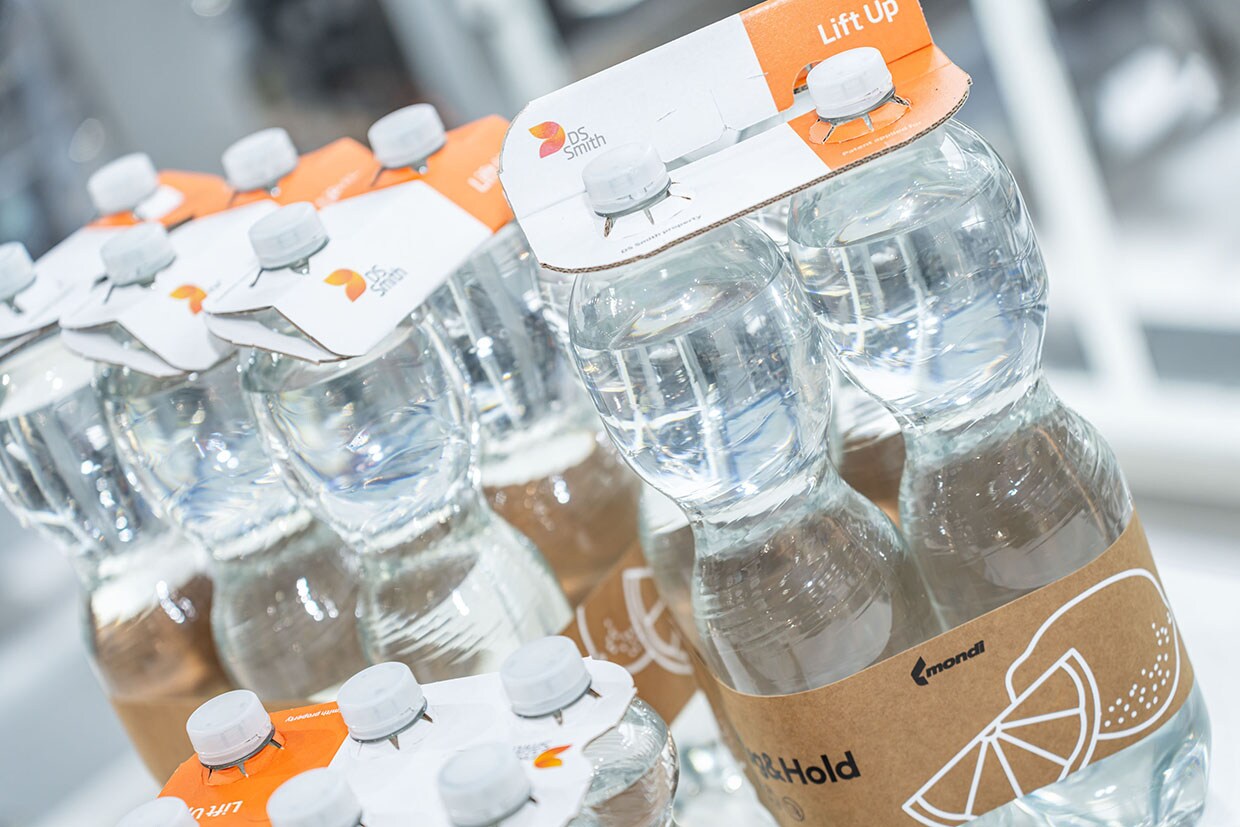
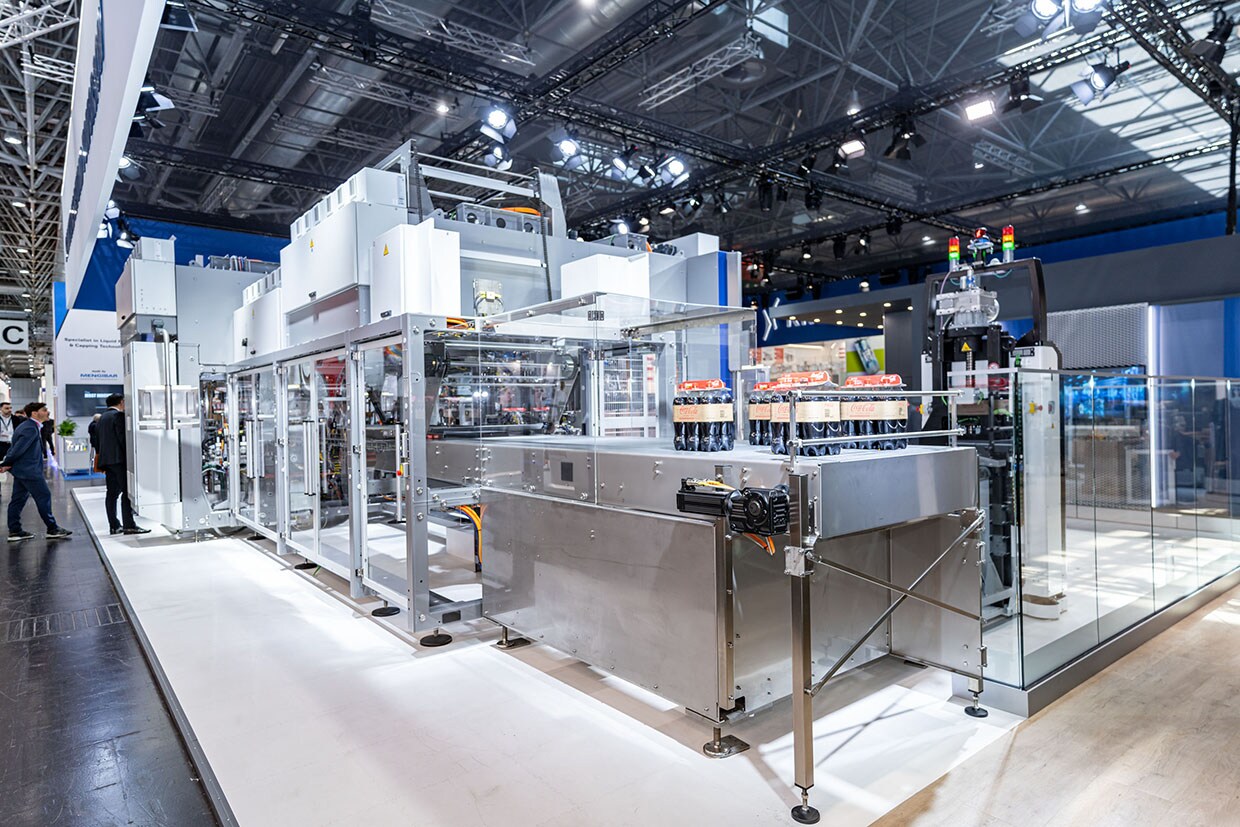
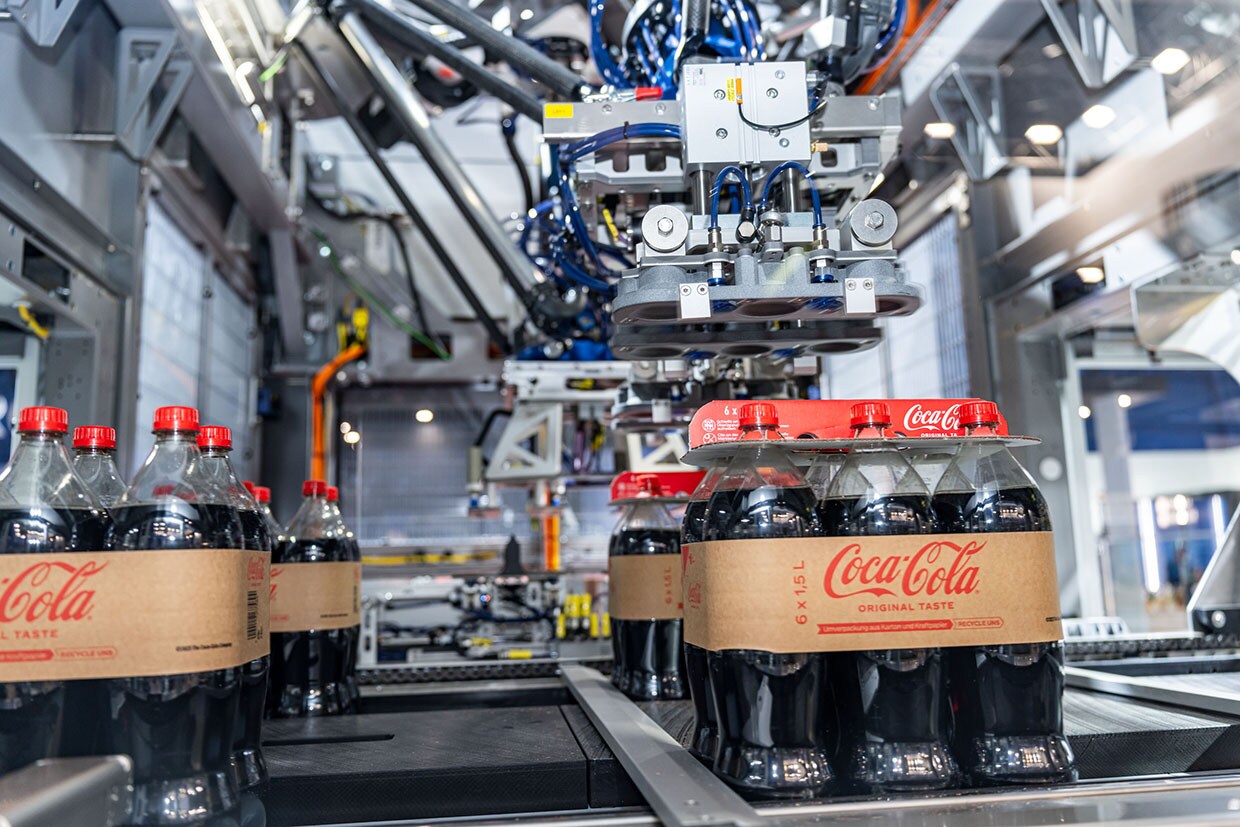
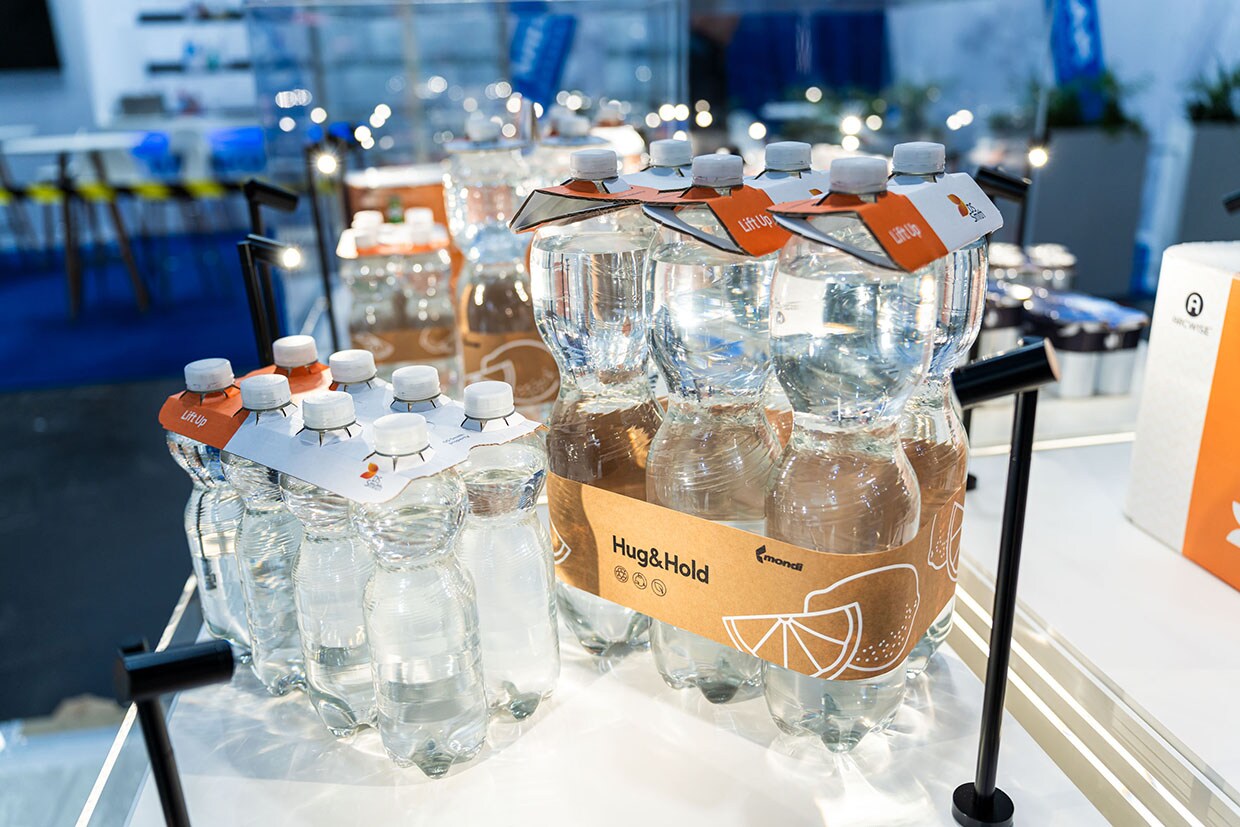
    In packaging concept LitePac Top, multipacks are held together using cardboard clips and – depending on the format – a paper band: the clips keep the containers in place, whilst the band provides additional protection during transport and also offers space for information or brand messages.

    How these competencies can interlock in practice is demonstrated, for example, by the LitePac Top packaging concept. In this solution, multipacks are bundled using carton clips and, depending on the format, a paper banderole: the clips hold the containers in formation, while the banderole provides additional transport security and at the same time offers space for information or brand messages. The components come from packaging partners such as DS Smith and Mondi, while the solution is processed on the Variopac Pro single-use packer from Krones. But even if three different suppliers are involved: for the customer, what ultimately matters is not which component comes from whom, but that the result is a functioning overall system. 

    System thinking takes centre stage

    This is where the real benefit of collaboration lies: new packaging ideas are tested more dynamically for their practical suitability. Material, design, handling, transport stability and machine compatibility are not evaluated in isolation but brought together. This saves coordination loops, creates greater security in the development process and helps customers bring new solutions to market more quickly. 

    In the past, development processes often followed a sequential pattern: first a packaging idea was developed, then the question of machine implementation arose. For minor enhancements, this could work. For more complex investments, however, this approach quickly leads to additional coordination effort – and in the worst case, complexity is passed on to the customer. 

    The joint approach therefore starts earlier. Packaging ideas are already considered during development with a view to later processing, logistics and application. This increases flexibility and makes it possible to respond dynamically to changing requirements. Maximilian Kühnl summarises : “We are not optimising packaging or machines. We are optimising the system our customers invest in.” 

    Variopac Pro as an enabler

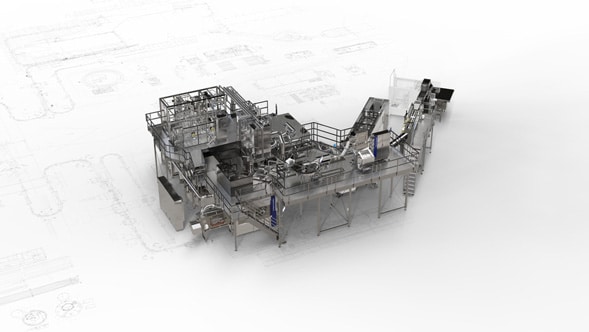
    This approach is particularly evident in the Krones Variopac Pro. It is more than a packaging machine for a specific format. It is designed as a modular platform that can map various packaging types on a single technical basis – from classic formats such as shrink packs or cartons to hybrid solutions and new, fibre-based secondary packaging. 

    This makes it a kind of Swiss army knife in packaging technology for customers: not because everything is arbitrarily interchangeable, but because different tools for different requirements are available on one platform. Depending on which product, which market or which packaging strategy takes priority, the appropriate solution can be selected. 

    The advantage is obvious: customers do not have to commit prematurely to just one packaging route. They can use proven formats today while at the same time creating the option to integrate alternative packaging solutions in the future. Especially in markets where requirements change rapidly, this flexibility becomes a genuine investment argument. 

    This is also crucial from a technical perspective. The stable core architecture of the Variopac Pro is combined with flexible modules. Individual packaging functions can be integrated into the base machine and then used or omitted after conversion to another format. In this way, different requirements can be mapped on a single machine without having to install a separate machine for each packaging variant. This approach of an internally blocked packaging machine is one of Krones' major strengths. 

    For customers, it means fewer interfaces, less space required, less complexity – and at the same time more room for future decisions. The machine thus becomes not only an answer to a current packaging question, but a platform for what comes next.

    More options, less risk

    In the end, it is about enabling customers to make the right choice so they can react flexibly to changing market requirements – and, of course, not leaving them to face these decisions alone. Especially in rapidly changing times and against the backdrop of external regulations, Krones, with its partnership-based development approach and LitePac Top, offers a good way to make decision-making for new investments transparent and free of pressure. Sustainability and flexibility are no longer contradictions but complement each other. 

    Partnerships broaden perspectives. DS Smith and Mondi contribute packaging, material and application expertise. Krones combines these perspectives with mechanical engineering, automation and line integration. From individual strengths, a system emerges that offers customers tangible benefits: short, dynamic development cycles, a high level of technical assurance for the automation of new packaging, fewer interfaces and flexibility for future requirements. 

    Because anyone investing today does not just want to solve a current problem. They want to be prepared for what lies ahead. And that requires partners who do not only see their own building block, but the bigger picture. 

    Want to read more Krones stories?

    You can easily send a request for a non-binding quotation in our Krones.shop. 

    Request new machine
    kronesEN
    kronesEN
    0
    10
    1