Close
Search
Searching...
No results
    Reference

    Reducing downtime by 3D-printing spare parts

    You need to accept cookies to use this functionality.

    What do you do when a machine goes down because one small part needs to be replaced? Most would likely pick up the phone or order the replacement part online. Operators at Coca-Cola Europacific Partners’ plant in Dorsten, Germany, now have a third option: Rapid Part on Demand. This program allows them to produce the needed part simply, on site, with 3D printing – so they can get the line up and running again in next to no time. 

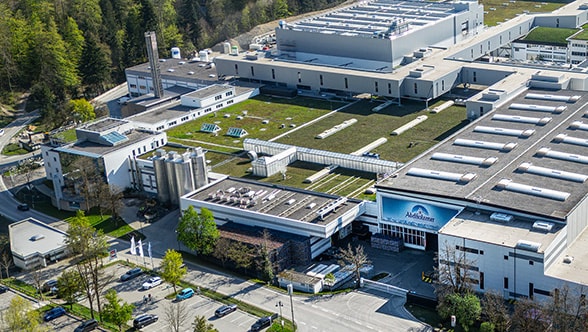
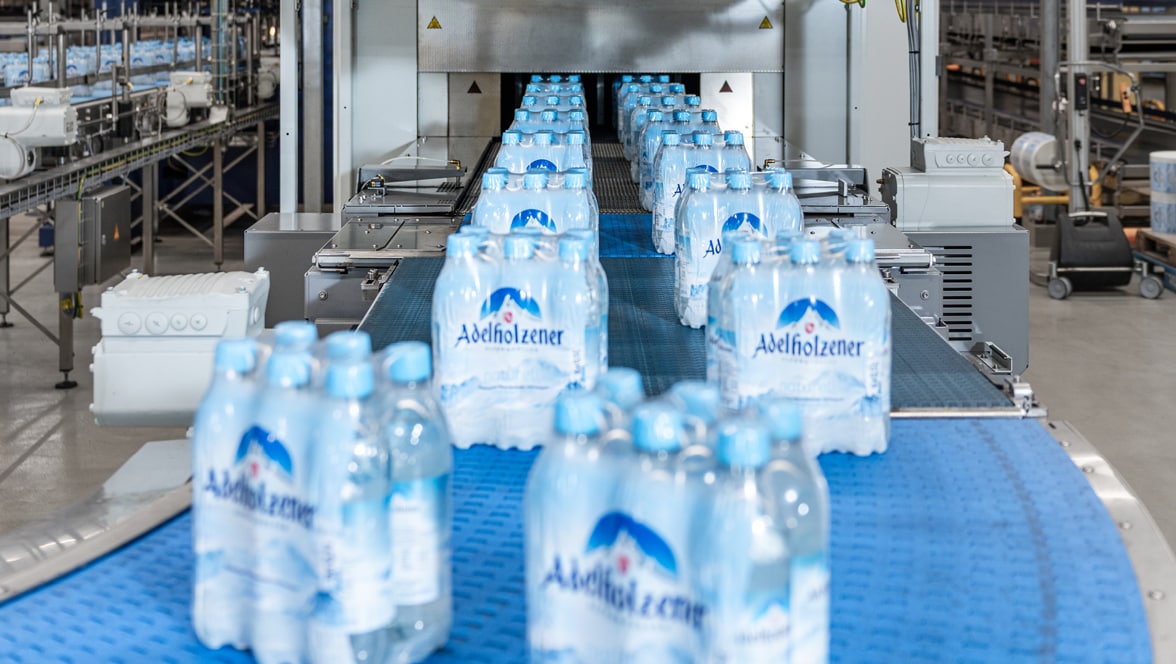
    In a small industrial zone east of the city of Dorsten, at the northern edge of Germany’s Ruhr district, lies one of 13 production plants belonging to Coca-Cola Europacific Partners Germany (CCEP DE), where millions of bottles and cans are filled, packaged and sent out for delivery every day. Among the equipment in use here are five lines from Krones: three for non-returnable PET containers and two high-speed canning lines, all of which operate in three shifts a day to reliably fulfil the high volume of orders. 

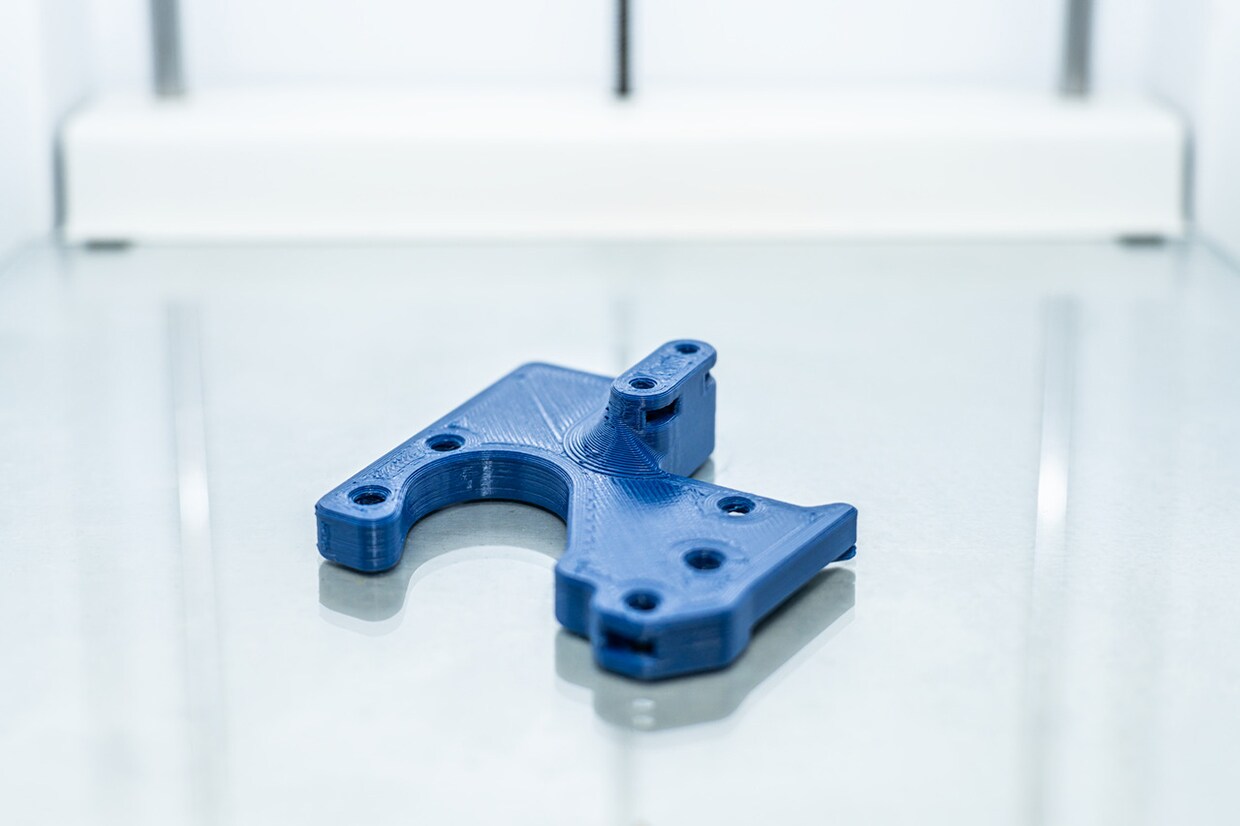
    And so it would be a disaster if any part of this system were to stop working. Whenever a piece of equipment goes down, the entire line comes to a standstill, which in turn results in expensive production downtime. Waiting for a spare part to arrive can quickly become quite costly. “Just recently, the packer on one of our canning lines stopped because a small plastic part – a bracket for one of the cutters – had broken,” recalls Maik Becker, OT Engineer at CCEP DE in Dorsten. Maik is responsible for the management, development and security of the systems used to control and monitor the production lines.   
    Spare parts printed on site

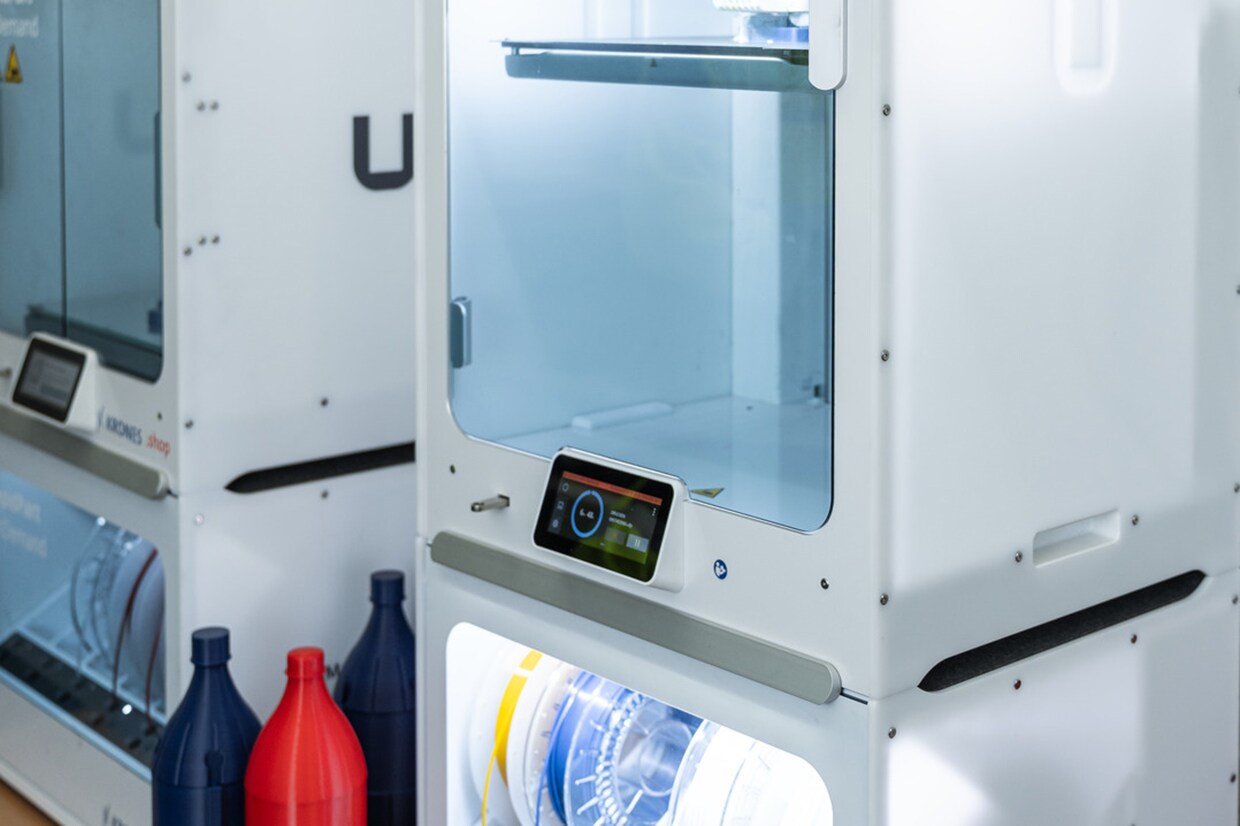
    But the plant had a solution at hand that enabled operators to replace the broken part in just a few hours’ time. That solution goes by the name of Rapid Part on Demand. It’s a complete spare-parts supply package from Krones, consisting of a 3D printer, access to the required 3D printing files and additional support for special circumstances.  

    Sidebar
    The Dorsten plant has been using this 3D printing technology since 2022 and has three printers in operation today.

    The broken bracket was one such special case. “Because there wasn’t a 3D print file available for this particular part yet, I reached out directly to the 3D printing team at Krones – and they helped us out quickly and without any hassle,” says Maik Becker. Although more than 1,000 standard parts are already available for download from the database, there are parts for which the 3D printing data do not exist yet. “But Krones was able to offer us a solution really quickly,” explains Maik Becker. “In next to no time, they had designed the part for us and we were able to send the files to our printer through the Krones.shop. It was very easy.”  

    Customized engineering for 3D-printable spare parts

    “The package that CCEP DE is using is one of two options available through our Rapid Part on Demand program,” explains Regina Schweiger of Krones’ 3D printing team. “We offer customized engineering, in which we generate printing licenses for parts that are not in the standard spare parts catalog in the Krones.shop.”  

    When a customer submits a request, Regina and her teammates conduct a feasibility test within one business day to determine whether the part is even suitable for 3D printing. “Of course, we know the Krones machines inside and out and we know what stresses the individual parts have to withstand. We use this knowledge to design a perfect-fit 3D printing model and find just the right material to ensure that the finished part can hold up in production,” says Regina Schweiger. 

    3D-gedruckte Haltevorrichtung für Schneidmesser im Packer
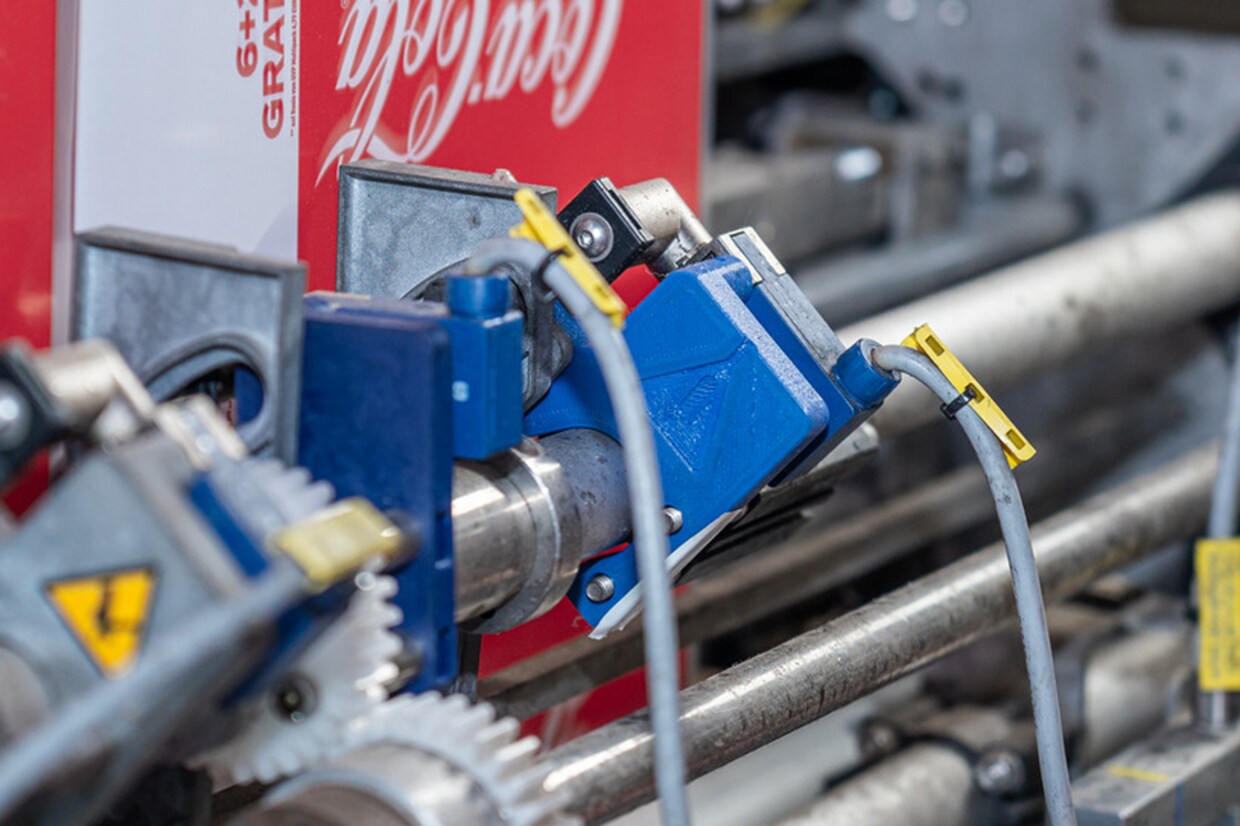
    3D-printed cutter bracket in the packer
     

    If a customer decides to buy the printing data for a custom-engineered part, the finished spare part is just a push of a button away – as with standard parts (see box for details). “It only took three hours to have the 3D-printed spare in hand, ready to be installed – and the line was up and running again,” recalls Maik Becker. “Using the printer is really easy. It’s a great help that you don’t have to have any 3D modeling or printing experience – Krones takes care of all the prep work.”  

    It only took three hours to have the 3D-printed spare in hand, ready to be installed – and the line was up and running again. Erwin HächlMaik BeckerOT-Engineer at Coca-Cola in Dorsten

    Faster and less expensive 

    Getting production back up and running again quickly after an unscheduled stop may well be the biggest benefit of Rapid Part on Demand. But of course, the 3D printing technology offers other advantages as well. “We actually pre-print small quantities of parts to have on hand,” says Maik Becker. “That way, we can immediately replace the part if a machine goes down – or during scheduled maintenance – and then have a new spare available in the warehouse just a couple of hours later.” Because having a 3D printer on site makes it possible to respond and produce parts quickly, it’s enough to keep only very small quantities on hand and there’s no need to set aside large areas of the warehouse for spare-parts storage. 

    Another major advantage is the potential for cost savings. For example, the ongoing expenses, for printing licenses and materials (filaments), amount to considerably less than the cost of shipping conventional spare parts. 

    But how durable are 3D-printed parts? Maik Becker can tell us, based on his experiences in recent years: “For our applications, the quality of the parts we print in-house is comparable to the quality of original parts. Krones has put a lot of time and effort into testing and materials development – which has paid off on the shopfloor,” says a gratified Maik Becker.  

    Image 55159
    The 3D-printed part installed in the Variopac Pro.

    And he knows what he’s talking about: Since the Dorsten plant first started using Krones Rapid Part on Demand back in September 2022, they have 3D printed more than 100 parts using the technology – for a wide range of applications. “They’ve printed gearwheels and sleeves, dummy bottles and, of course, that cutter bracket,” says Regina Schweiger.  

    For operations like CCEP DE, Rapid Part on Demand is first and foremost about making spare parts available fast – to substantially reduce downtimes compared to conventional spare-parts supply. A simple push of a button on the printer increases flexibility and decreases dependence on shipping times for selected spare parts.  

    From the request to the finished part

    Want to read more Krones stories?

    You can easily send a request for a non-binding quotation in our Krones.shop. 

    Request new machine
    kronesEN
    kronesEN
    0
    10
    1