Coca-Cola Andina is one of the biggest beverage filling companies in Latin America and operates eleven plants for carbonated soft drinks (CSDs) in Chile, Paraguay, Argentina and Brazil. The youngest and most technologically advanced of these nestles among the green hills in Duque de Caxias near Rio de Janeiro. Anyone arriving early in the morning will pass an impressive line of bright-red Coca-Cola trucks readying for their delivery rounds. Coca-Cola Andina opened this high-tech plant in 2018. It currently has five production lines, which turned out a good 15 million litres of soft drinks and mineral water last year. Since summer 2025, the omnipresent sugary scent of soft drinks has been joined by the malty aromas emanating from the new brewery.
Coca-Cola Andina’s soft-drinks plant in the Brazilian city of Duque de Caxias, Rio de Janeiro, is a trail-blazer for sustainability, quality and efficiency. So the company had correspondingly high standards when it came to choosing a partner for building a greenfield brewery there. Their team were looking for innovative vigour and a willingness to embrace Coca-Cola Andina’s philosophy. They found both in Steinecker and Krones.
How Coca-Cola Andina hit upon beer
Why does a soft-drinks producer – a Coca-Cola company at that – build a brewery? “Coca-Cola Andina has been actively engaged in beer sales for some time and wanted to participate in the strong Brazilian beer market by adding depth to its value chain,” explains Fausto de Vasconcelos Padrao Junior, Engineering Manager for plants at Coca-Cola Andina Brazil. In 2020, the company bought the Brazilian beer brand Therezópolis and decided to build its own brewery. Fausto Padrao was involved in the relevant planning and design work right from the start: “We were planning the first brewery ever built in the whole group. Hence we weren’t able to draw on any know-how previously gained in this field. So what we needed above all else was someone who was thoroughly familiar with everything to do with brewing.” The company found just the right person in Sidney Telles Belchior, a brewmaster who had joined Coca-Cola Andina five years ago. The reason he gives for his fascination with this project is this: “Building Coca-Cola Andina’s first brewery, that’s a once-in-a-lifetime experience.” It was clear that the new brewery was to be erected at the company’s youngest and most technologically advanced facility, as Fausto Padrao explains. “Parts of the infrastructure can be used by both the brewery and the CSD production operation, thus minimising the outlay involved.”
Coca-Cola Andina’s first brewery
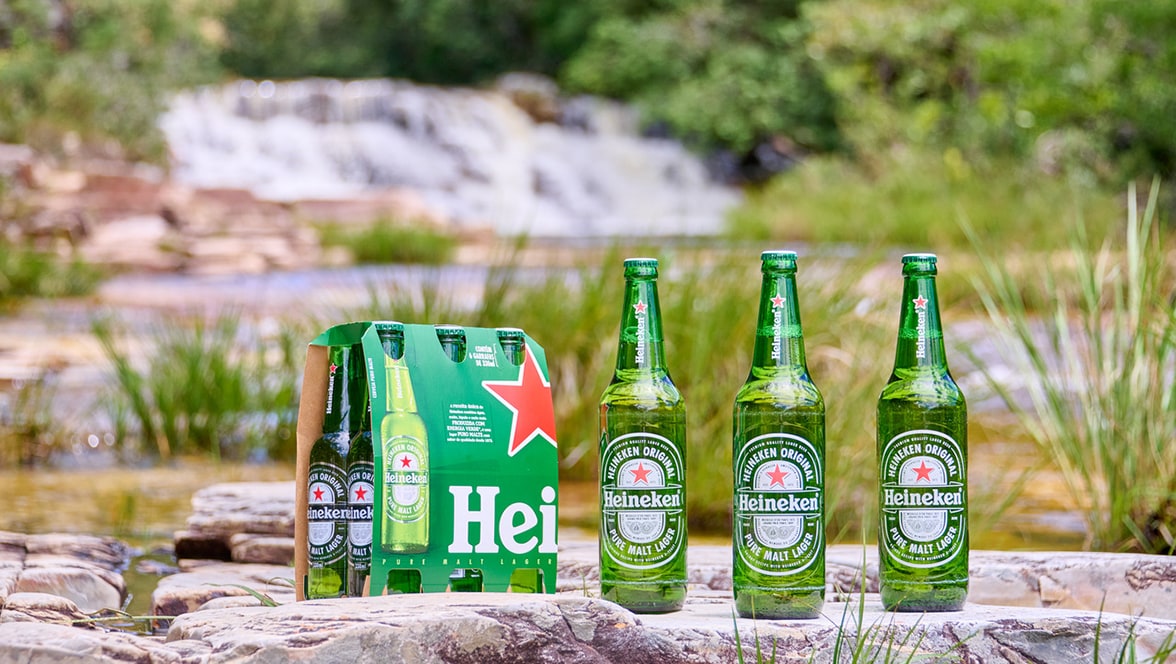
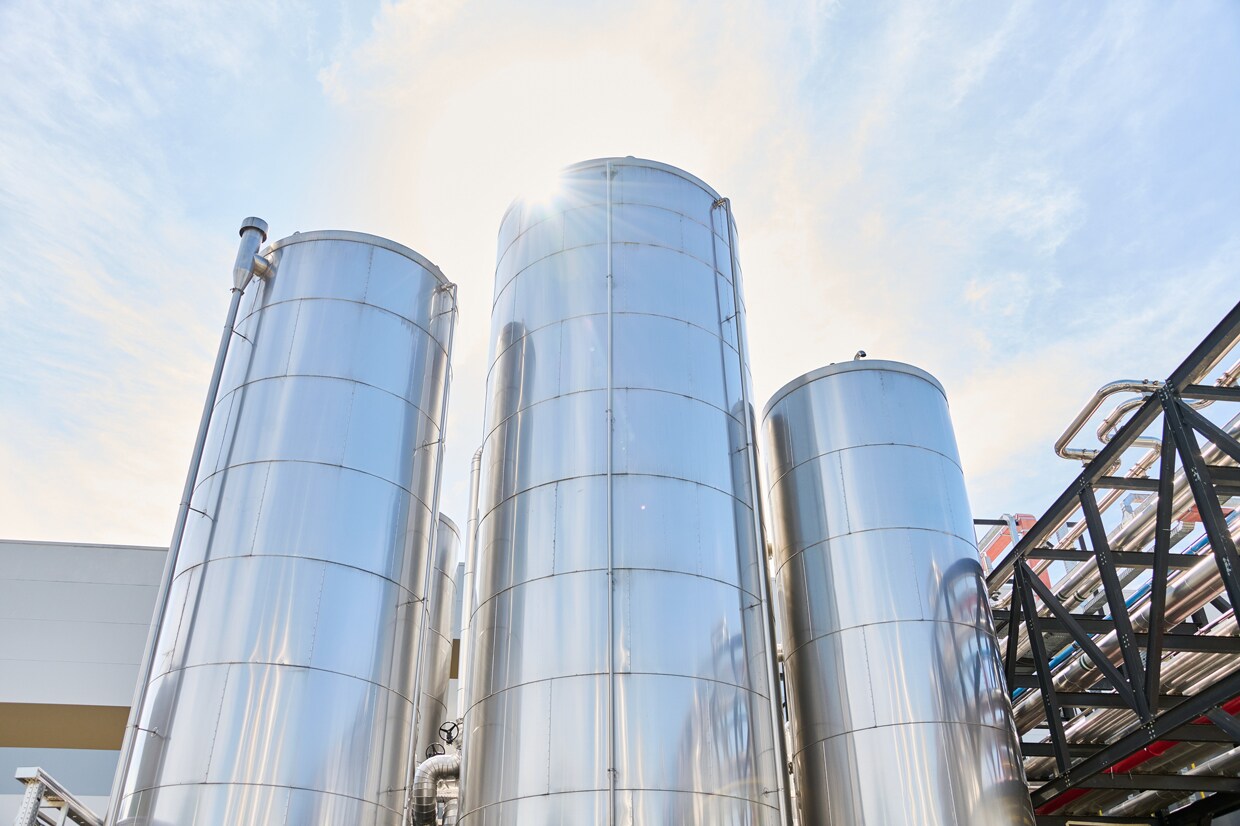
Coca-Cola Andina has been brewing beer in the Brazilian city of Duque de Caxias since June 2025. The facility produces not only the company’s own brand Therezópolis but also the following brands under license: Estrella Galicia, Cerpa and Tijuca. At present, annual production capacity comes to 500,000 hectolitres, limited only by the number of fermentation/maturation tanks. The rest of the brewery has been dimensioned for two million hectolitres per year, with space available to achieve four million hectolitres. Filtration has also been planned as a modularised system, so that it can grow in line with any future capacity expansion.
Premium-class location
“Disruptive”, “resolve to innovate”, “best technology” – These are terms you often hear when talking to the company’s decision-makers. They underline Coca-Cola Andina’s mission statement, which is to scrutinise even the best of solutions to find out if there is still room for improvement. One example is the plant in Duque de Caxias, which has gone completely digital and been rigorously geared to achieve top levels of sustainability, efficiency and quality. “What you’re looking at here is one of the world’s most technologically advanced soft-drinks plants. So the new brewery had to live up to this standard and offer first-class solutions for energy and water consumption, quality levels and our staff,” is how Sidney Belchior succinctly encapsulates the essentials. “What’s more, we were looking for partners who were willing to join forces with us in order to render their best solution even better, even more suitable for our project,” he emphasises and adds: “And we definitely needed strong partners because we couldn’t draw upon any experience with beer. We found all of that in Steinecker and Krones. Technology and price were spot-on as well. But most importantly, we’d known Krones for a long time from our soft-drinks business and can look back on many years of good partnership.
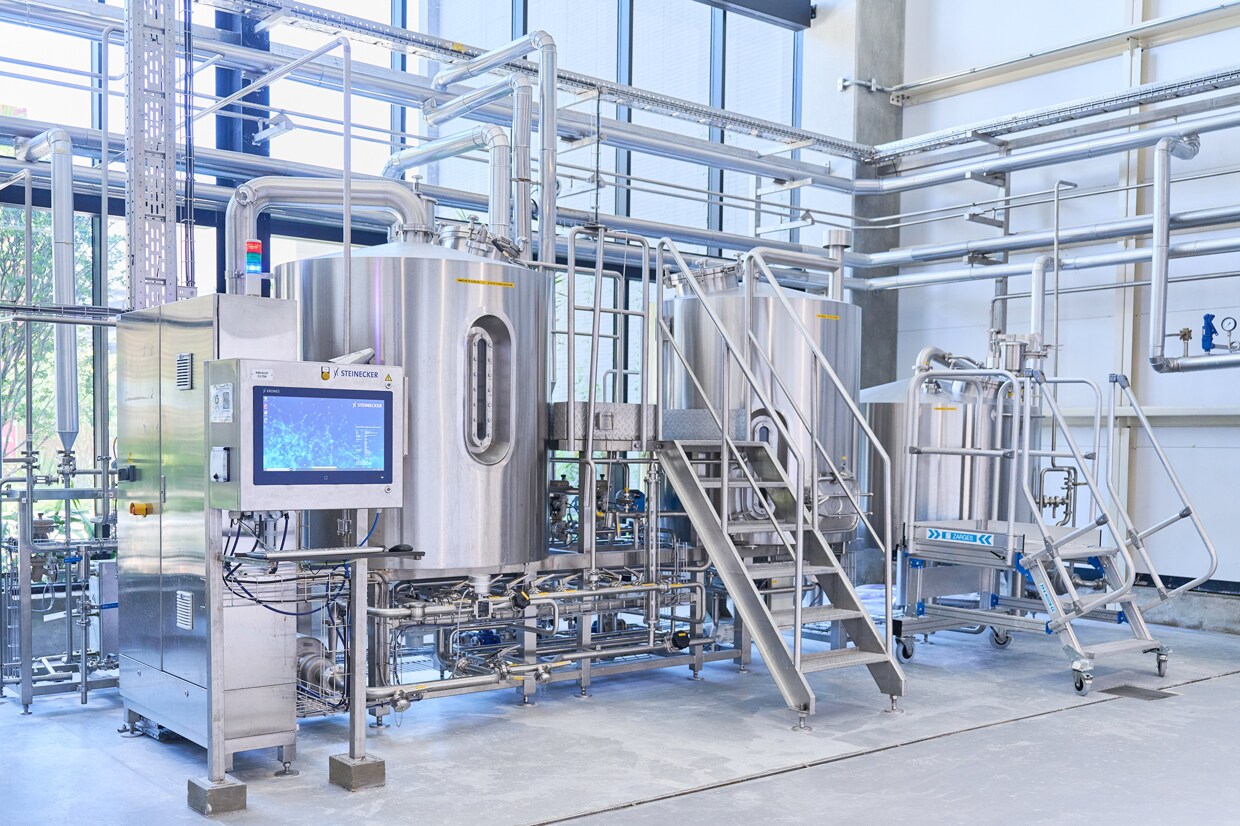
What was likewise spot-on was that Steinecker’s energy-saving concepts are quite similar to those of Coca-Cola Andina. The heat transfer medium used in the CSD plant at Duque de Caxias is not steam but hot water in combination with central heat storage tanks and an energy recovery system. Steinecker’s low-temperature brewery is based on much the same principle. And so, that’s exactly what Coca-Cola Andina got: a low-temperature brewery operated with hot water (at 115 degrees Celsius), with a central heat storage tank and an EquiTherm Brew energy recovery system. For reasons of sustainability, the filtration system does not use kieselguhr but membrane technology.
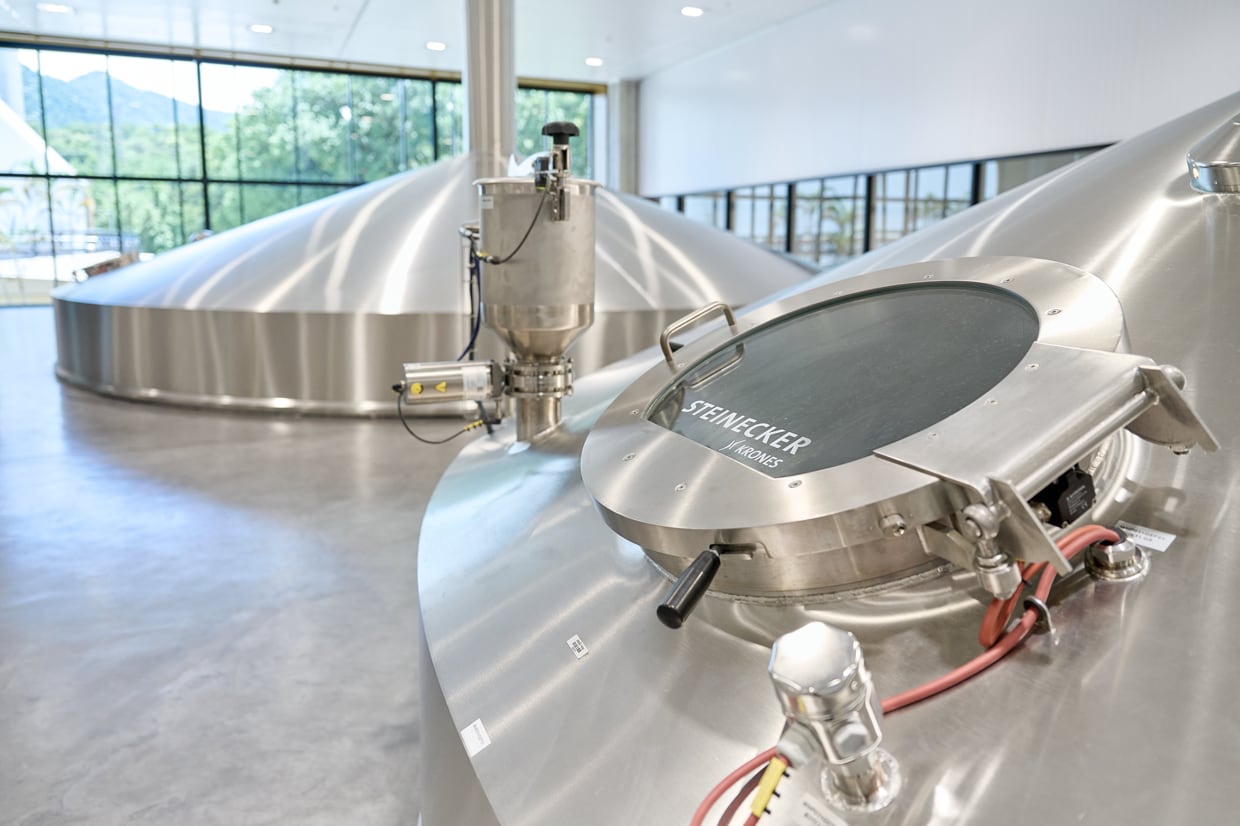
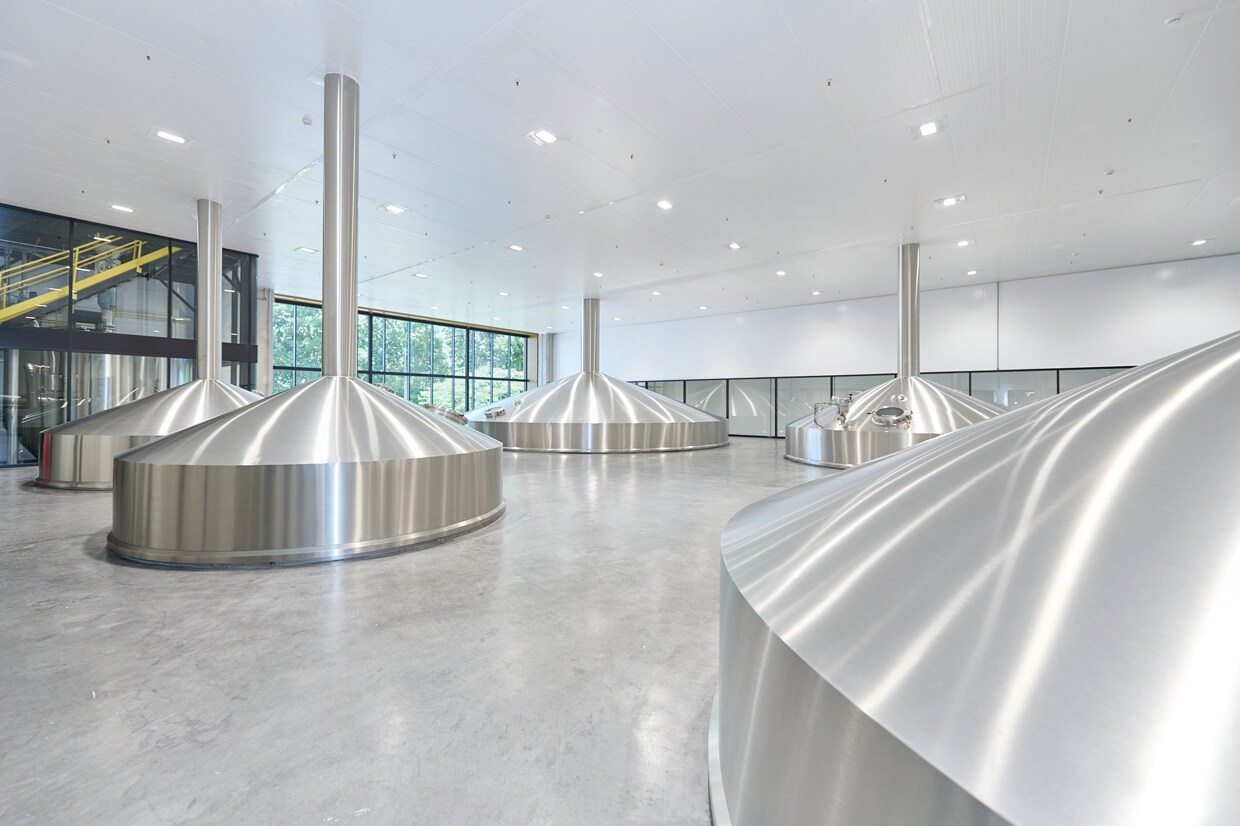
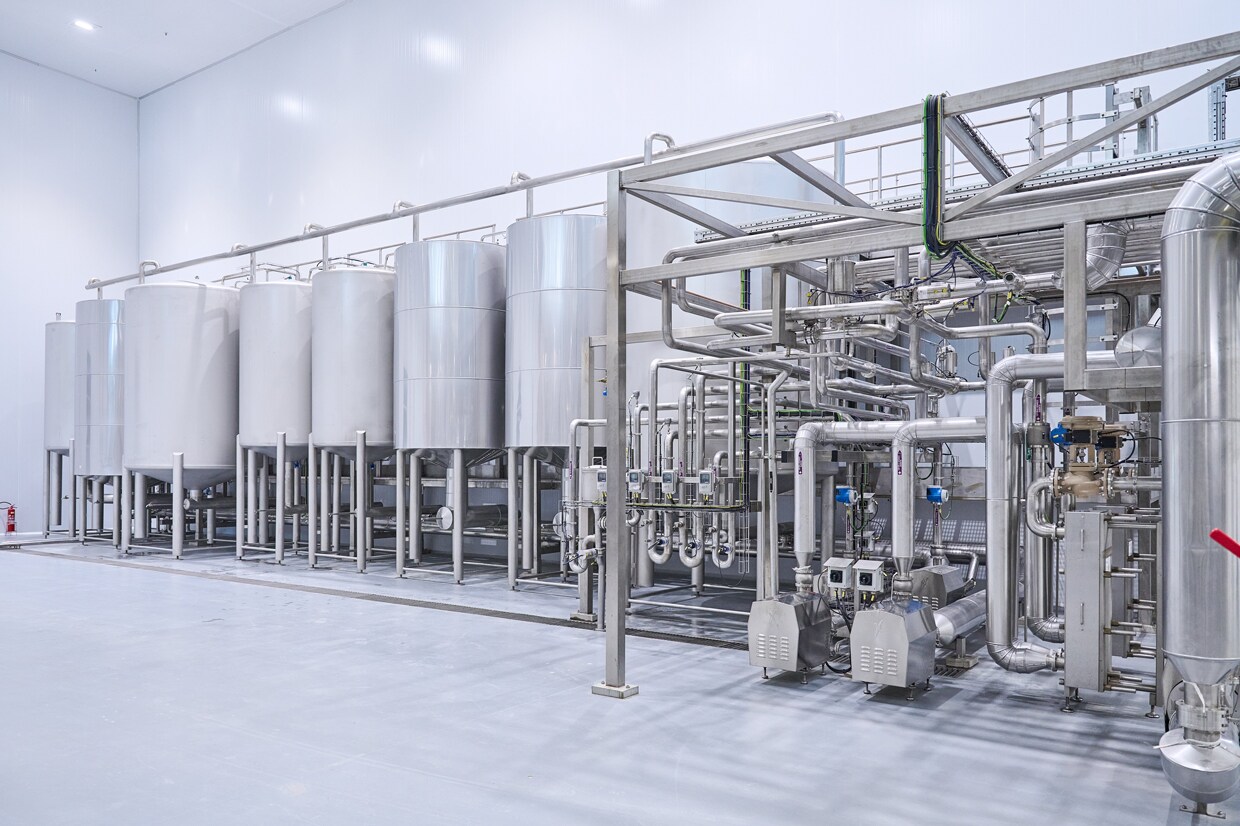
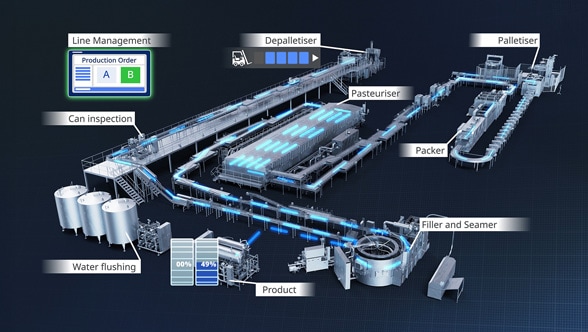
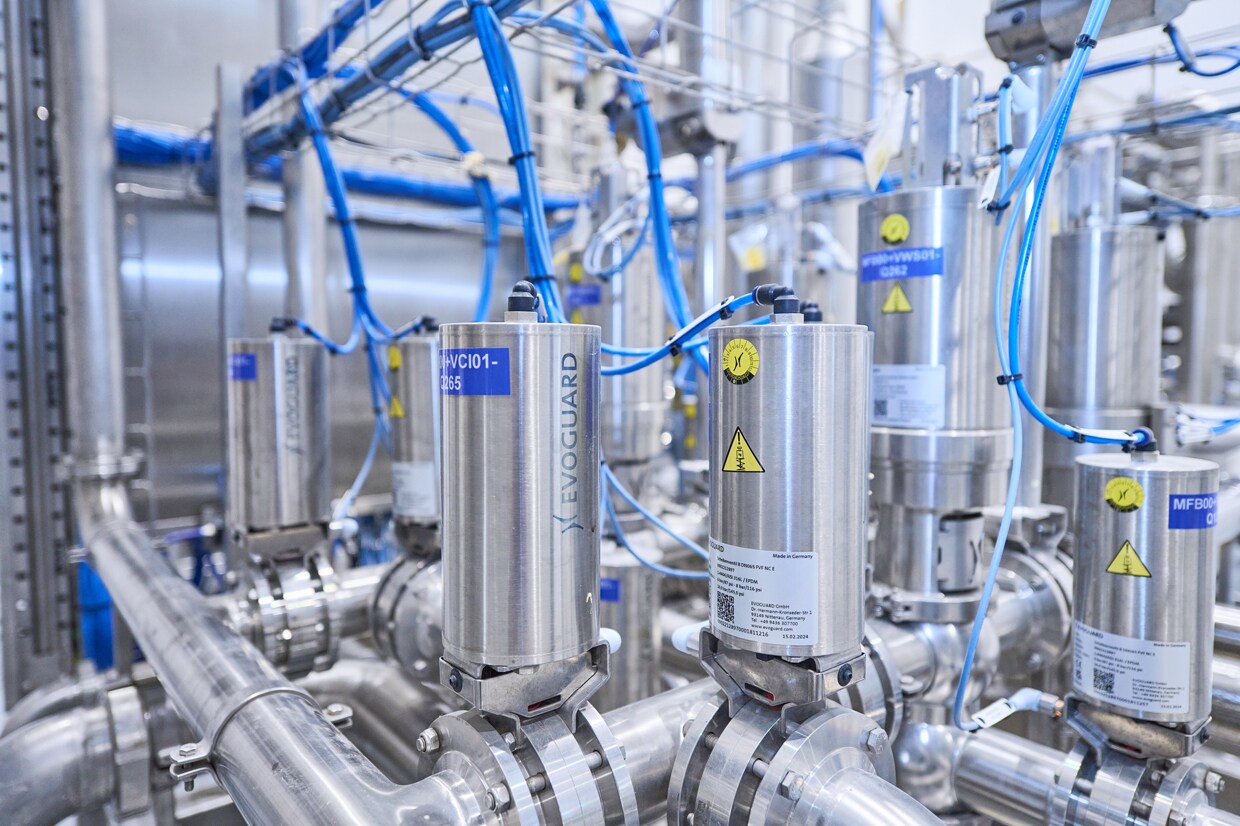
The brewery, just like the entire facility, has been highly automated and equipped with comprehensive process-control monitoring systems. All systems, lines and processes in the CSD plant had already been digitalised and interconnected in an Industrial Internet of Things (IIoT) network. “At the time we were planning the facility, our approach was pioneering,” emphasises Fausto Padrao: “Today, we have a very good data lake, meaning a repository for all our company’s data. We’re thus prepared for any future assignments and possess a consistent, verifiable collection of data that will enable us to use future solutions like augmented reality, artificial intelligence or big data.” This concept is conditional on all data from all lines being fed into Coca-Cola Andina’s system, which also includes the brewery with Steinecker’s Botec F1 process control system and the Manufacturing Execution System (MES) that monitors and controls the entire production process.
A pilot brewery to be proud of
The most important requirement was that CSD production at the facility continue undisturbed during the construction work and even during installation of the new line for beer and soft drinks in the bottling hall. Flexibility was likewise a top priority for the brewery’s layout. To quote Fausto Padrao: “It was important to us that each of the individual stations in beer production be arranged in precisely the sequence in which the ingredients and products pass through the process. That means starting with the malt silo, then the brewhouse, the fermentation and maturation tanks all the way through to transfer to the filling hall. We wanted visitors, but above all our people, to be able to walk along the beer-brewing process, so to speak. That was unusual for Steinecker but they understood why we wanted it that way and translated the concept into shopfloor reality.”
Coca-Cola Andina additionally invested in a compact-size MicroCube brewhouse with a beer production volume of ten hectolitres. “We use it to train our staff and develop new recipes. What’s more, visitors can clearly see it from the bar,” says Sidney Belchior.
One line fits all
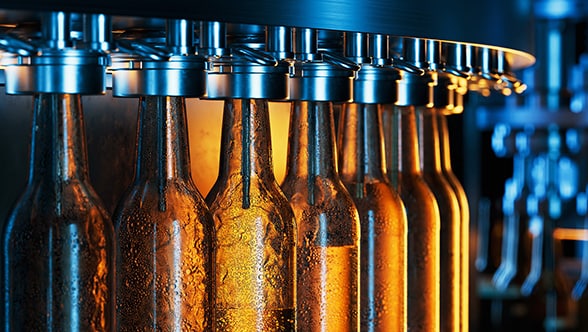
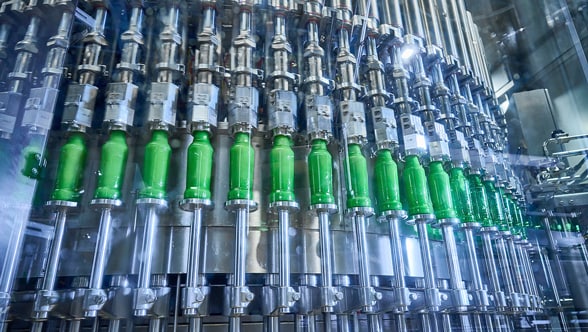
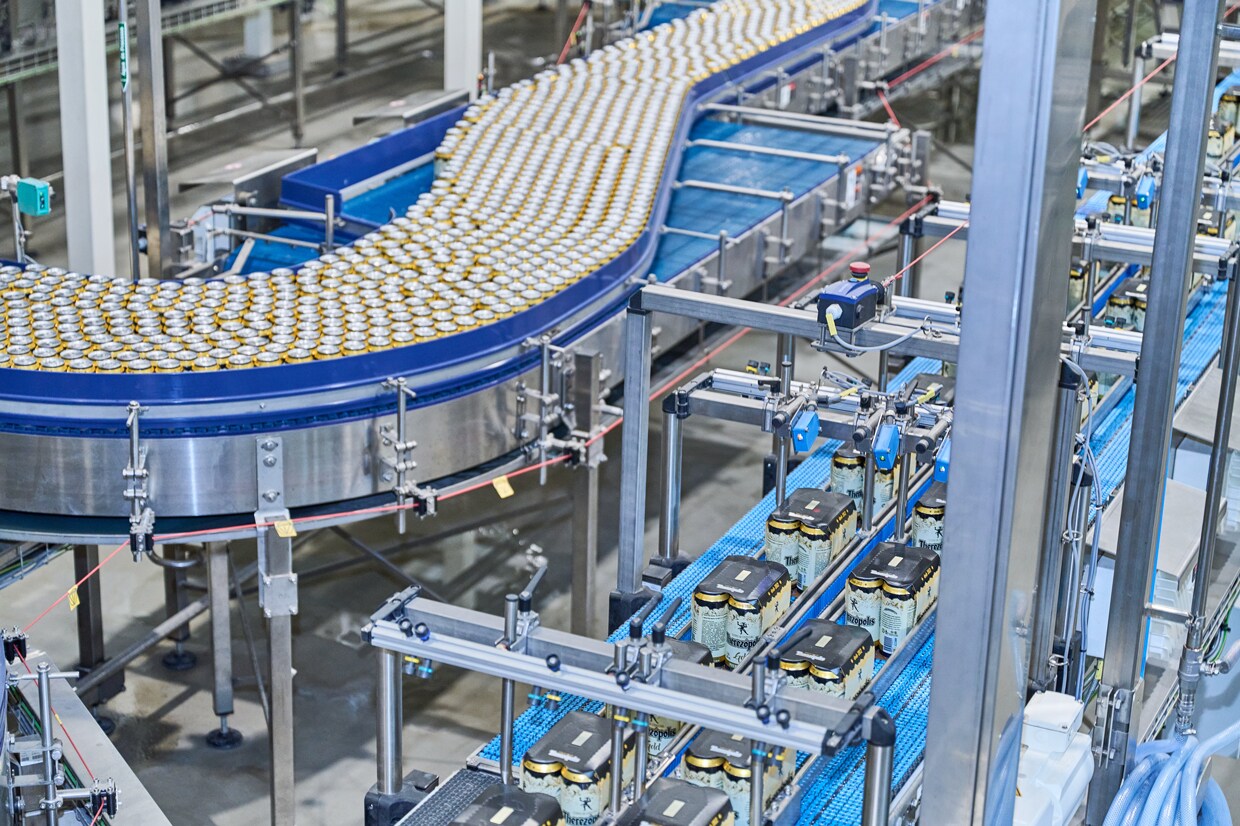
The beer is filled on a new combined line also supplied by Krones, which handles beer and soft drinks and can fill them into both cans and glass bottles. For this purpose, it has been equipped with two fillers from the Modulfill family – one for cans and one for bottles. Only one filler at a time is running, turning out the requisite product variant. All filled containers are passed through the LinaFlex Pro pasteuriser, which in case of soft drinks serves as warmer. It is fitted with three heat exchangers for maximum heat recovery. So it does, of course, meet Coca-Cola Andina’s stringent requirements for minimised energy and water consumption.
Connecting the line to both the soft-drinks production and the brewery presented a particular challenge. The two beverage types must be kept strictly separate at all times: When beer is filled, beer must also be used for cleaning, so as to avoid cross-contamination. The same applies for CSDs. The Steinecker team programmed a complex matrix in Botec F1 in order to automatically control these beverage flows between the various sources. “Today, the control system works perfectly,” says a gratified Fausto Padrao: “Worrying about cross-contamination is a thing of the past.”
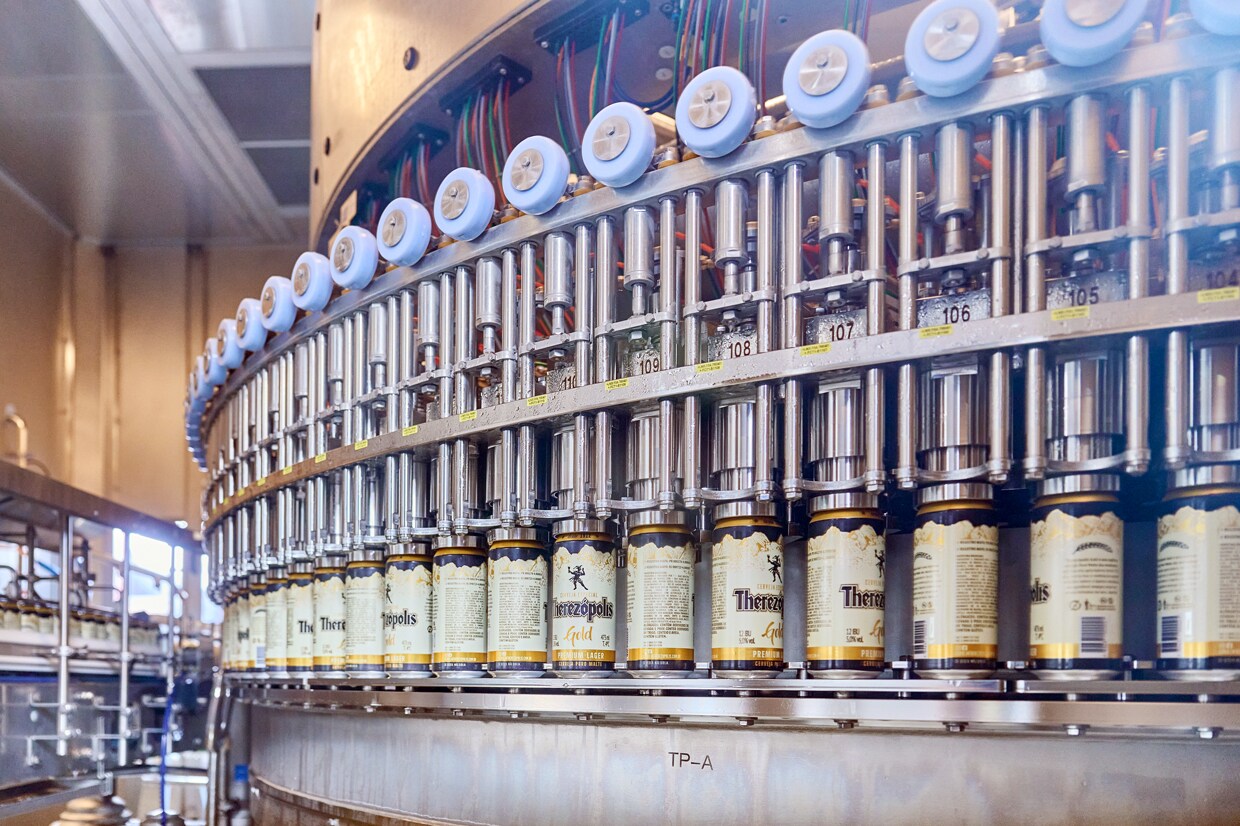
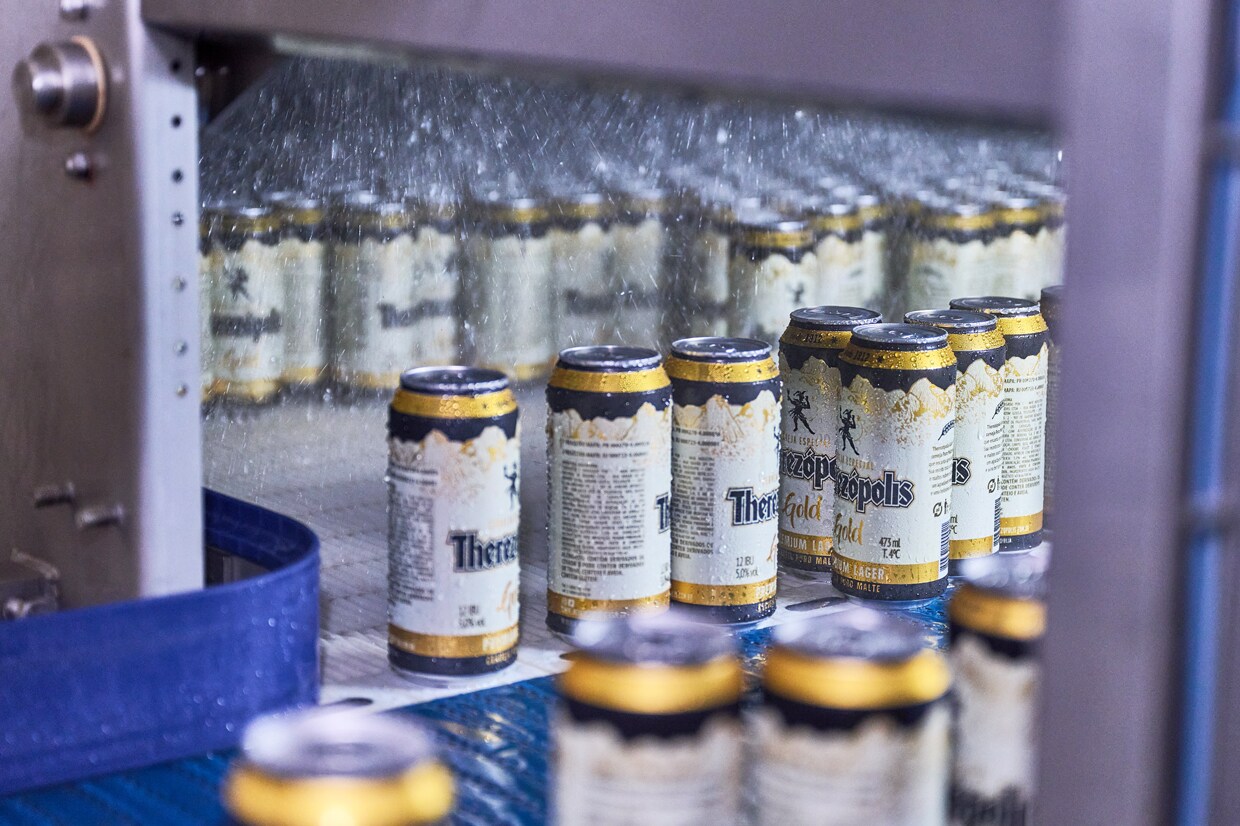
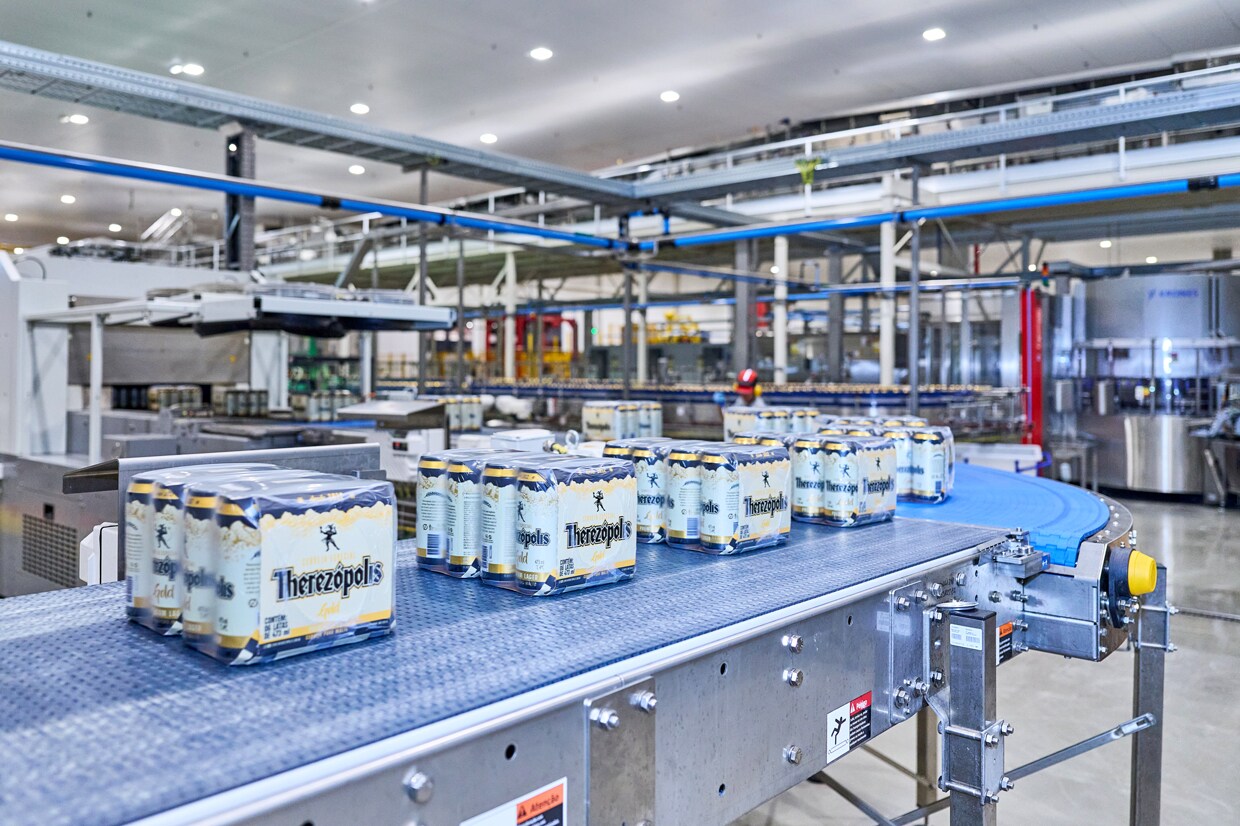
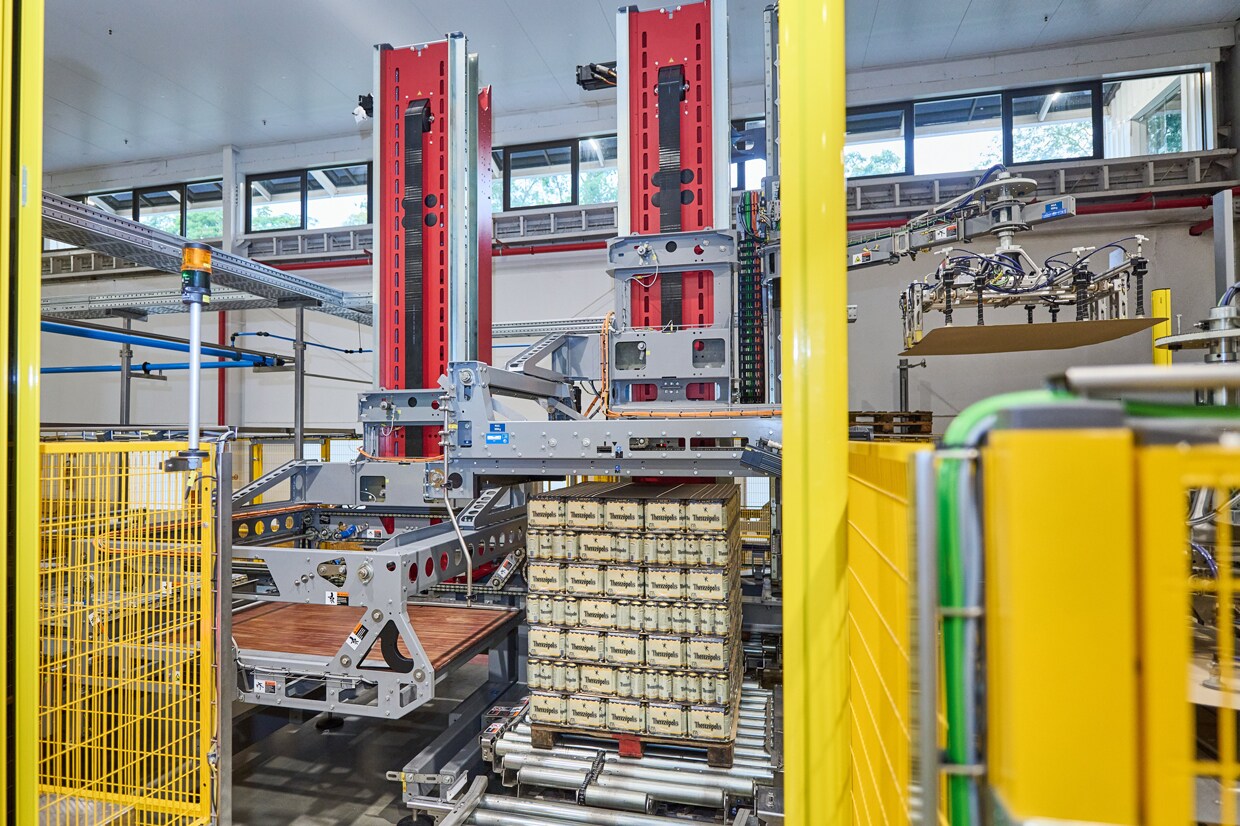
The combined line handles slim and sleek cans in five different sizes, plus longneck glass bottles, which it fills with one of the two beverage types. Taken together, these options result in a huge multiplicity of product and pack variants. “We have about 50 different stock keeping units,” says Fausto Padrao: “That was quite a challenge, understanding all of that, running line tests for all options and above all training the operators to cope with every single case. We have to match the filling parameters not only to each of the different containers and drinks handled but also to the various brands for which we produce. We’re familiar with the relevant tasks for CSDs. I’ve worked in the Coca-Cola world for 28 years and here at Coca-Cola Andina for 13 years. But beer is an entirely new game, not only for me but also for nearly all our technicians. So we had to learn a lot. We needed the best possible production parameters and the best possible packaging process for every single brand. That took some time, but we did it: Now we’ve got optimum settings for every single case.” In December 2024, the line was started up with soft drinks. Beer was then added in July 2025.
Good project, good beer
Asked about the success of the “Beer-brewing at Coca-Cola Andina” project, Sidney Belchior appears quite satisfied: “We’re getting very positive feedback on our beer from all quarters. We’re reaching very low values for oxygen pick-up and thus very lengthy shelf-lives.” He affirms the good cooperation with Krones and Steinecker: “The two companies supported us with excellent project teams, both from Germany and Brazil. I think they realised just how important an innovative mindset is to Coca-Cola Andina, and they chose people who are able to tune in to our culture and take an entirely fresh approach together with us. That kind of flexibility and receptiveness was characteristic for our cooperation and no doubt crucial in ensuring the project’s success.”
And how do Coca-Cola Andina’s staff like the idea of producing beer in a soft-drinks plant? “We were really in for a pleasant surprise here,” recall Fausto Padrao and Sidney Belchior in unison: “When we informed the staff about our brewery plans, we found that some people had previously worked as brewmasters or brewing technicians and were keen to be part of the project.” And Fausto Padrao is also satisfied: “We put great trust in Krones’ technology and know from past experience that it helps us achieve good solutions. In my view, Krones’ strength is rooted in their ability to come up with a never-ending stream of innovations.” He also highlights the good cooperation: “We can count ourselves lucky to have Steinecker and Krones at our side in this project and work together not just as partners but as friends.”