Cost-efficiency and sustainability were key priorities in the modernisation of the electroplating facility. An overview of the improvements.
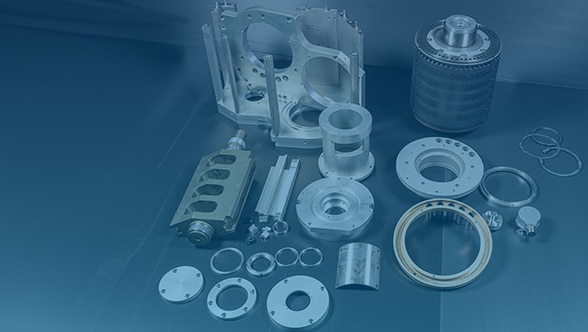
Whether water, beer, wine or liquid food – Krones machines and their components frequently come into contact with liquids. Materials used such as aluminium or stainless steel would react with their environment in an untreated state and begin to corrode. To prevent this, surface engineering processes, particularly electroplating technology, are used. This involves the specific treatment of metal components using chemical and electrochemical methods – at Krones this includes, among other things, machine piping. Depending on the process, protective layers are applied or the surface itself is converted through conversion processes, for example anodising. This not only protects against corrosion, but also ensures wear-resistant, hygienic surfaces.
All of this takes place, among other locations, in Hall 9.11 in Neutraubling, where three lines for different electroplating and surface engineering processes are operated. However, the existing electroplating system had become outdated and offered optimisation potential, particularly with regard to wastewater, use of chemicals and energy consumption. As part of a comprehensive retrofit, not only individual system components were modernised, but the entire hall including its infrastructure.
More than 100,000 kilowatt hours saved
“We modernised tanks, pipelines, supply lines and the systems themselves with the aim of making electroplating and surface engineering more efficient, sustainable and economical in the long term”, says Project Manager Ulrich Grönninger.
A key focus was on resource consumption. By optimising various processes and controlling consumers according to demand, energy requirements were significantly reduced. The time-controlled shutdown of certain system components alone saves more than 100,000 kilowatt hours of energy per year. At the same time, water consumption is reduced by around 20 percent as well as the use of chemicals and the load on wastewater. Because existing components, including some process tanks, were reused, more than 15 tonnes of polypropylene (PP) were saved, significantly reducing both material and disposal costs.
With the retrofit, surface treatment in Hall 9.11 now meets state-of-the-art standards. In addition to ecological advantages, the modernisation provides the basis for future or new requirements and processes. Core competencies such as anodising have been expanded through the integration of a new process, yellow anodising. Ulrich Grönninger is satisfied: “The project demonstrates how existing systems can be developed for the future through targeted investments – while also contributing to the sustainability goals of our Group.”
Picture: The departments involved inaugurated the new electroplating facility – together with the executing company Utikal and several guests, including Supervisory Board Chairman Volker Kronseder, Executive Board member Ralf Goldbrunner and Head of Department Roland Sommer.