
 Sina Vöst
Krones installed a water treatment system for Tibet Glacier Mineral Water – at 4,300 meters above sea level.
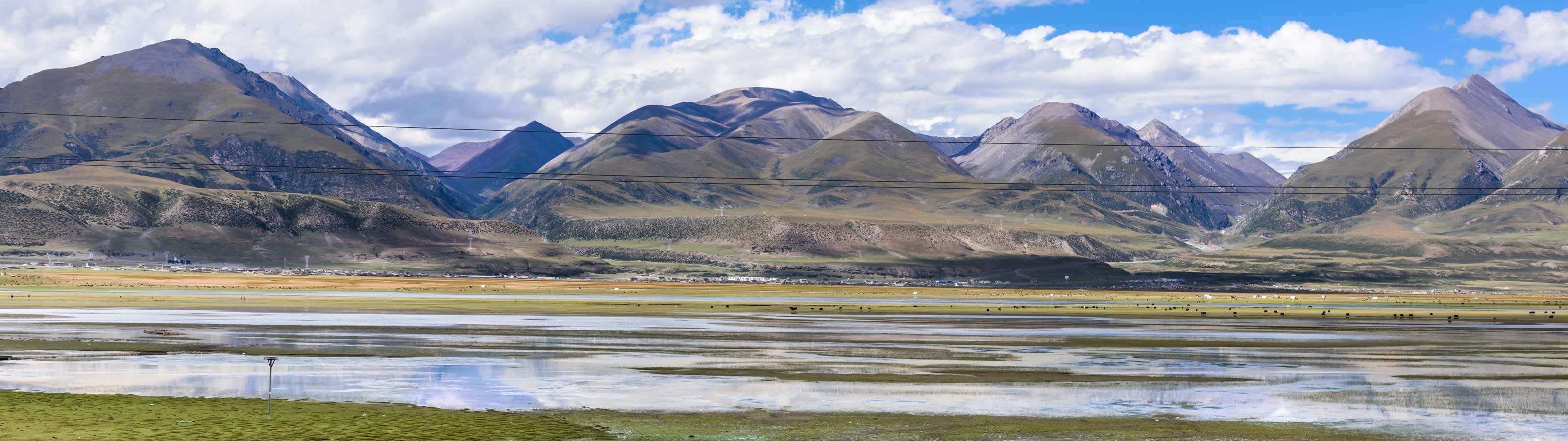
The Tibetan highlands in southwest China impress above all with their breathtaking landscapes. At 4,000 to 5,300 meters above sea level, lakes, deserts, and glaciers stretch out across the world’s highest plateau. And it is here, amid this pristine nature, that the water source of Tibet Glacier Mineral Water is located.
The Chinese bottler already had one water treatment system from Krones, purchased in 2019. Based on the successful cooperation on that project, Tibet Glacier Mineral Water ordered another system, for its plant in Dangxiong County, a district in the Tibetan capital, Lhasa City.
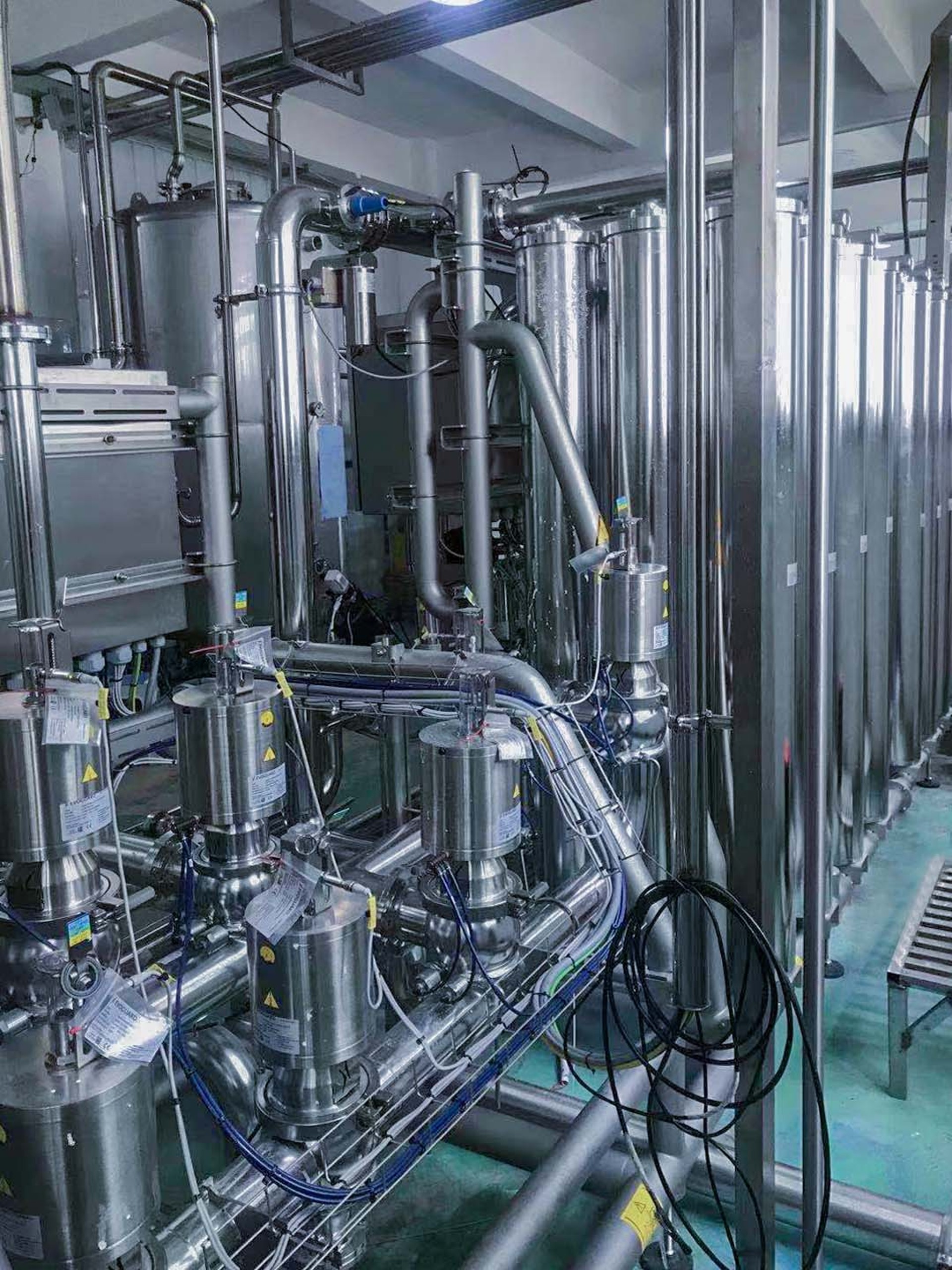
To process the glacier water, the company opted for the Krones Hydronomic UF ultrafiltration system with an output of 70 cubic meters per hour. Its state-of-the-art membrane technology removes even the smallest particles and microorganisms from the raw water and thus meets the highest hygiene standards while saving resources and reducing wastewater.
| Project: | Water treatment plant for bottling natural glacier mineral water at 4,300 meters above sea level |
| Customer: | Tibet Glacier Mineral Water |
| Location: | Dangxiong County, China |
| Commissioning: | First half of 2021 |
| Scope: | Hydronomic UF water treatment plant with hollow fibers for an output of 70 cubic meters per hour
This includes:
|
Commissioning under extreme conditions
For the commissioning at Tibet Glacier Mineral Water, the Krones service team had travel to the roof of the world. The client’s second plant, in Dangxiong County, is located at an altitude of 4,300 meters, making it one of the highest sites where Krones equipment is in operation. And despite the extreme conditions, the Krones team made it possible and managed to commission the complex line in the mountains of Tibet in just four weeks’ time.
The biggest challenge for the four Krones employees was the lack of oxygen at this extraordinary altitude. In order to get used to this deficiency and the difference in air pressure, the team travelled by train to an accommodation situated at 4,300 meters above sea level five days before they were set to begin work. After this period of acclimation, they continued on up to the water source – at 5,100 meters – to install equipment, which included filters and pumps. They drove the first leg of this journey and then had to walk the last stretch. During the installation and commissioning period, which lasted a total of four weeks, everyone made sure to take regular and extensive breaks. In addition, a team of doctors was available around the clock due to the exceptional altitude. The Krones team mastered this commissioning despite the difficulties of working at such high altitude – an impressive achievement!