

 Julia Leserer
The craft brewers at Fuerst Wiacek have invested in the first brewery they can call their own – and they’ve chosen a Steinecker brewhouse and a canning line from Kosme.
Many talented hobby brewers would love to make a career of their hobby. Georg Fürst and Lukasz Wiacek managed to pull it off in just two years’ time. And now they’re ready to take the next big step: building their own brewery.
But first, let’s take a look back a couple of years: “We met rock climbing and quickly discovered that we’re both beer enthusiasts. We taught ourselves most of what we know, little by little – gleaning instructions and tips from books or the internet or even just learning by doing,” recalls Georg of their early days brewing together. “At first, we used Lukasz’ kitchen for our homebrew experiments – and we tested our results on friends and some willing bars.” People liked their beers so much that the two Berlin natives decided to go full time and make a career of their hobby. At the end of 2016, they established Fuerst Wiacek.
Their specialty: hoppy IPAs
Since then, Georg and Lukasz have taken the beer scene by storm – and well beyond their hometown. What’s the recipe for their meteoric success? “Our signature beers are New England IPAs, also known as East Coast or Hazy IPAs. We were actually the first to bring this fruity, unfiltered version of India Pale Ale from the US to Germany,” explains Georg.
The craft brewery has since made a name for itself across Europe. Their hoppy India Pale Ales (IPAs) are wildly popular from Spain to Scandinavia. “I think people like our modern, new take on beer – the way it feels, the way it tastes. We’re showing what’s possible within the confines of the purity law – and that’s what craft brewing is about: curiosity for the product, creativity, exploring the realm of possibilities and, ultimately, appreciating good food and drink,” says Georg.
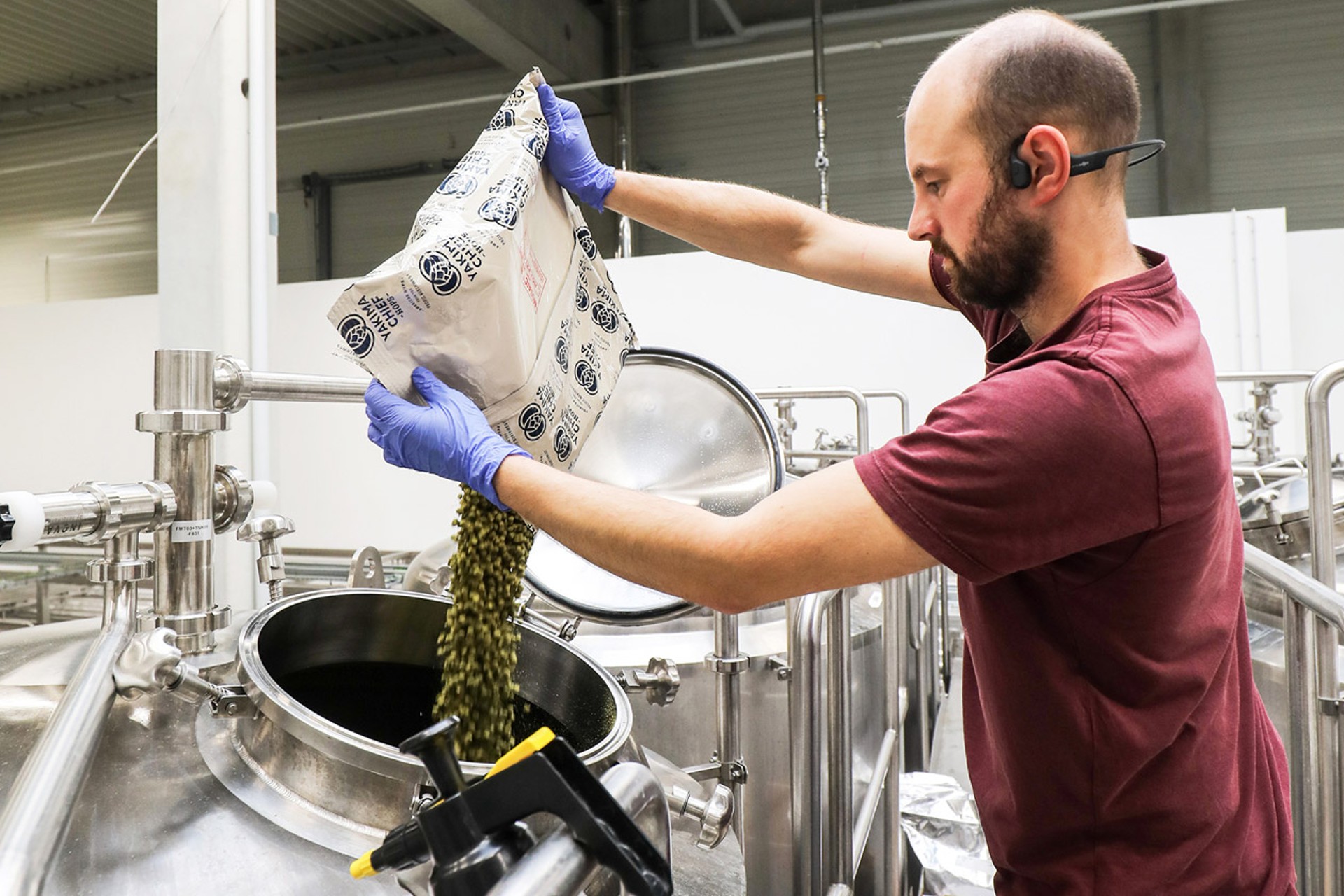
The degree to which Georg and Lukasz value quality is evident in their selection of raw materials. For example, Lukasz made a special trip to the US in September 2021 just to be there for the hops harvest. “It’s important to us that we handle the entire brewing process ourselves, from start to finish,” explains Georg. And so it was only logical that the pair would eventually build a brewery of their own, complete with brewhouse and filling line.
The path to their own brewhouse
After establishing their craft brewery in late 2016, Georg and Lukasz traded their homebrew kit for real “coppers” – but initially on a leased basis, using willing breweries’ equipment. “We stuck to our day jobs during the week. And then on the weekends, we’d travel all over Germany and even to Denmark to brew our beers,” recalls Georg. But it was soon apparent that they couldn’t carry on like that forever. “We knew from the beginning that we wanted to have our own brewery someday. It wasn’t so much a business decision as an emotional one. We believe in the process. We believe in the product. And we want to produce quality we can stand behind,” he admits.
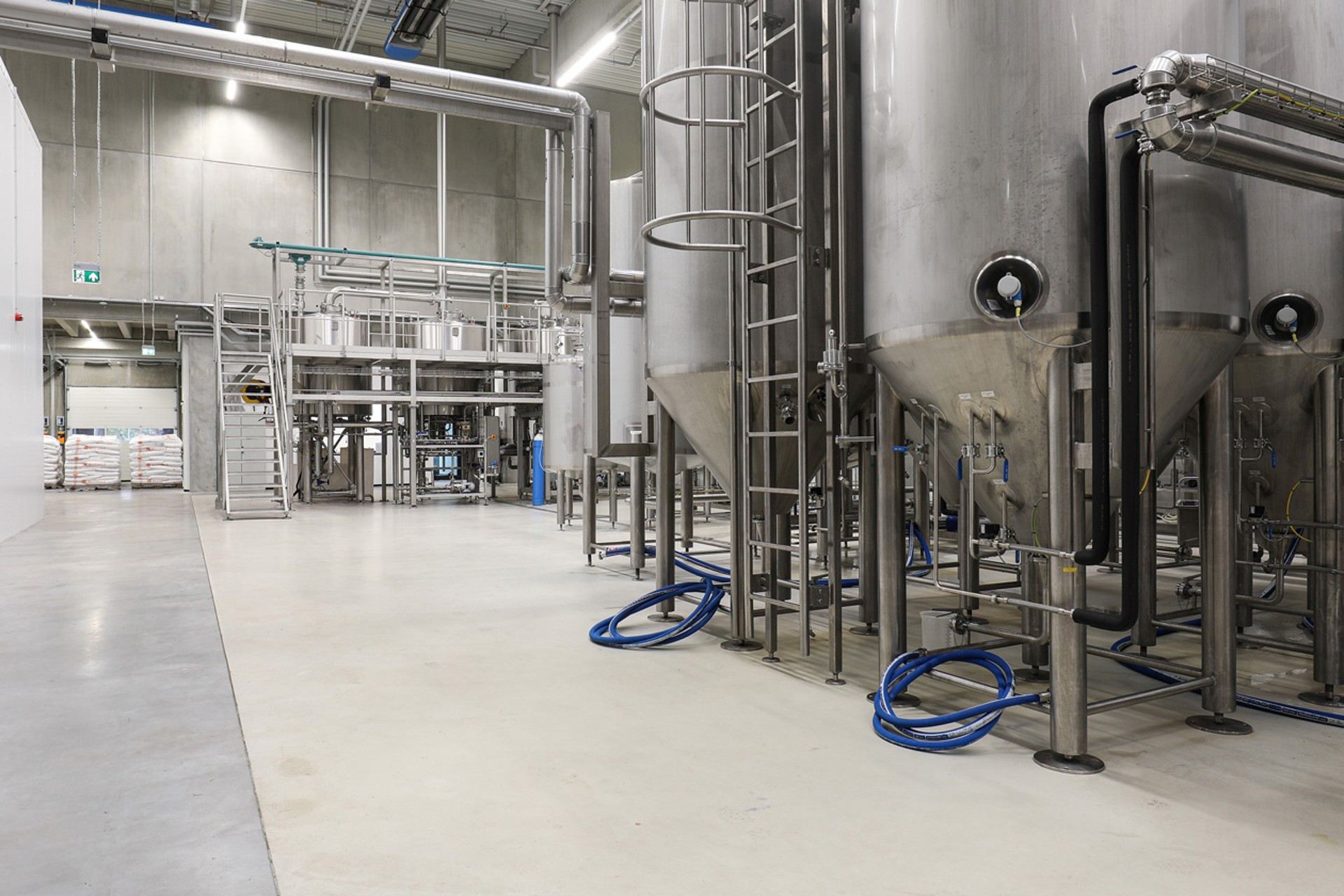
They also knew that they wanted their brewery to be in their hometown of Berlin. They started planning back in 2018. But just when they had a signed lease agreement for the space and all their plans on the table and were ready to get rolling, the original equipment supplier pulled out. Suddenly, they were without a brewhouse, the most important part of the brewery. To get everything in place as quickly as possible, they turned to Plan B – which went by the name of Krones. Together with the brewing technology specialists in Freising (who, incidentally, have been operating independently as a Krones subsidiary under the name Steinecker GmbH(opens external link in a new tab) since 2021), Fuerst Wiacek set to work on making it happen.
It was clear to us from the very beginning that we wanted our own brewery. It wasn’t so much a business decision as an emotional one. We believe in the process. We believe in the product. And we want to produce quality we can stand behind.

“A very precise, scientific approach”
The Steinecker experts’ (opens external link in a new tab)wealth of experience benefited Fuerst Wiacek. Georg sums it up by saying, “Krones was the only vendor that could deliver a real turnkey solution. Everyone else had certain things they just didn’t do, while Krones did it all. And when you think about it, the interfaces are what make a project like this really complex, what could have posed real challenges during installation and commissioning.”
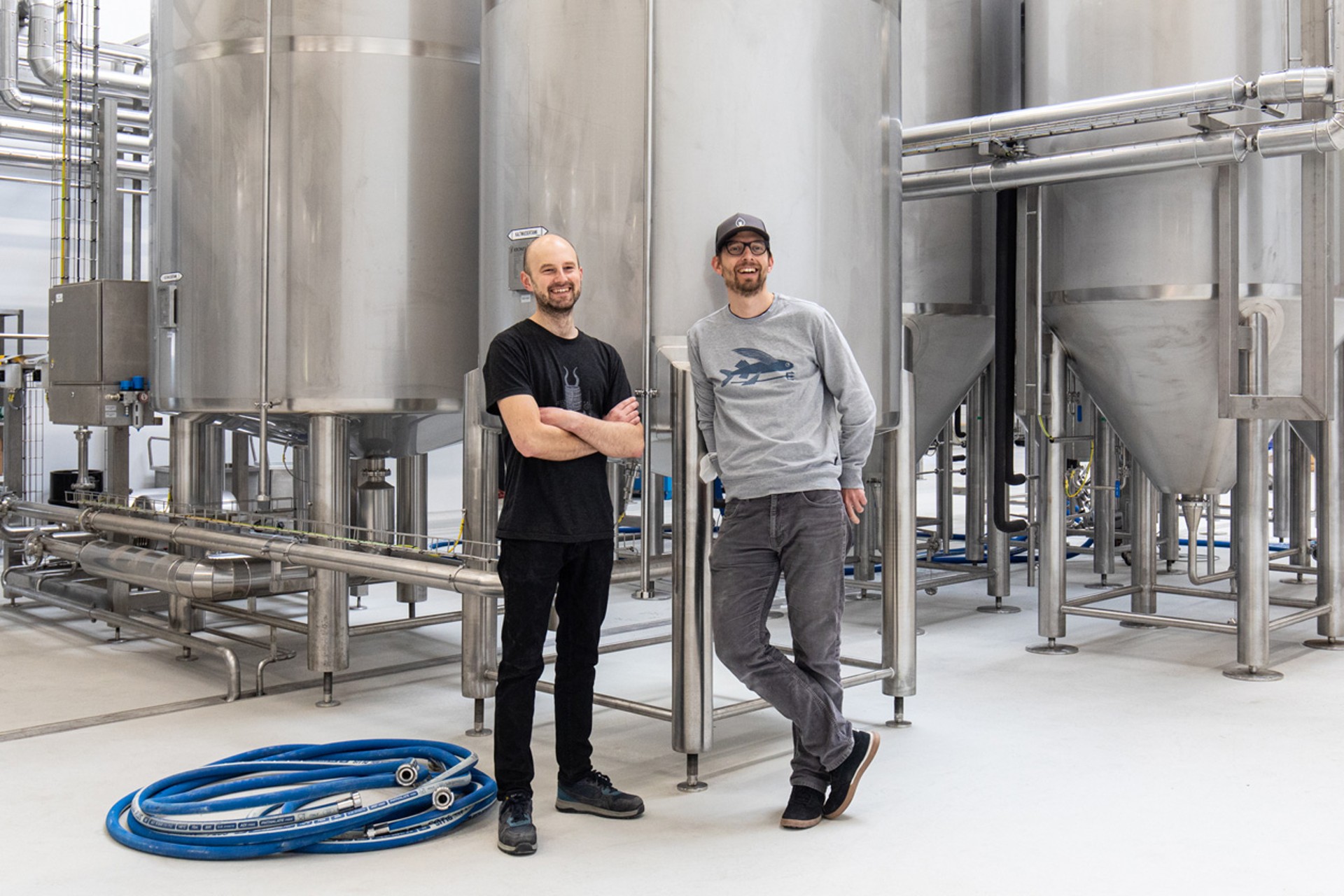
The two brewery owners admit that the planning and talks were more detailed and time-consuming than they had imagined they would be. Georg recalls that “there was never a simple solution, but we always found a solution in the end.” Right from the start, issues were touched on that might arise later and cause problems. “I have to say, the Steinecker team really took a very precise, scientific approach,” he notes with a wink. This attention to detail in the concept phase paid dividends when it came time for the installation, which went quite smoothly. “In the end,” Georg concludes, “we had an excellent dialog and were able to realize our dream of having our own brewhouse.”
The two knew exactly what they wanted in their brewhouse. As Georg puts it: “Since we had brewed in several different breweries already, we were familiar with a lot of different processes. It didn’t take long for us to realize that we wanted an automated brewhouse.” Because Fuerst Wiacek is known for its great variety of beers, the brewhouse also needed to be small but flexible in terms of boil volume.
We’re all about freshness. We don’t brew much in each batch, but we brew often.
Fully automatic compact brewhouse
As their turnkey partner(opens external link in a new tab), Steinecker delivered the complete brewery(opens external link in a new tab) to Fuerst Wiacek’s expectations – from malt handling to the brewhouse to the fermentation, maturation, and bright-beer cellars – for a total of nine universal tanks. Likewise, the water house, a CIP system for the entire brewery, and the supply of steam, refrigeration, and compressed air were also part of the scope of supply. In all, this setup can produce up to 4,000 hectoliters of beer annually.
For the brewhouse, the team chose a Steinecker CombiCube(opens external link in a new tab) for a batch size of 25 hectoliters. It is specially designed for the needs of craft brewers and smaller output levels – and its frame construction makes it exceptionally compact. Although a standard layout was chosen, there was still room for customizing the brewing process. For example, Fuerst Wiacek kept the option open to add wort pre-chilling. This process is used when brewing kettle sour beers like gose and Berliner Weisse, the specialty of Georg and Lukasz’s hometown.
After the first few months with our new brewhouse, I can say that we are super happy.
“Quality is really important to us and so we want to handle the whole process ourselves. And after the first few months with our new brewhouse, I can say that we are super happy. The quality of our beers has already improved. And of course we are getting to know the system better with every batch and figuring out how to further refine the processes,” says an enthusiastic Georg.
On brew days, Fuerst Wiacek fires up the kettle twice a day, starting the first brew in the middle of the night, actually. A Botec F1(opens external link in a new tab) process control system enables automatic planning, control, and monitoring of the entire brewing process. So it’s easy to manage upcoming brews. Recipe generation and administration are also fully automated. The processes in the hose cellar, on the other hand, are controlled manually.
Germany’s first Canto can filler
Through the brewhouse project, Fuerst Wiacek also became aware of Krones’ subsidiary Kosme(opens external link in a new tab). True to their “all or nothing” approach, the brewers wanted not only to brew in-house but, of course, also to fill the finished product on site. Kosme took care of delivery, installation, and commissioning of all the machines involved in the new canning line.
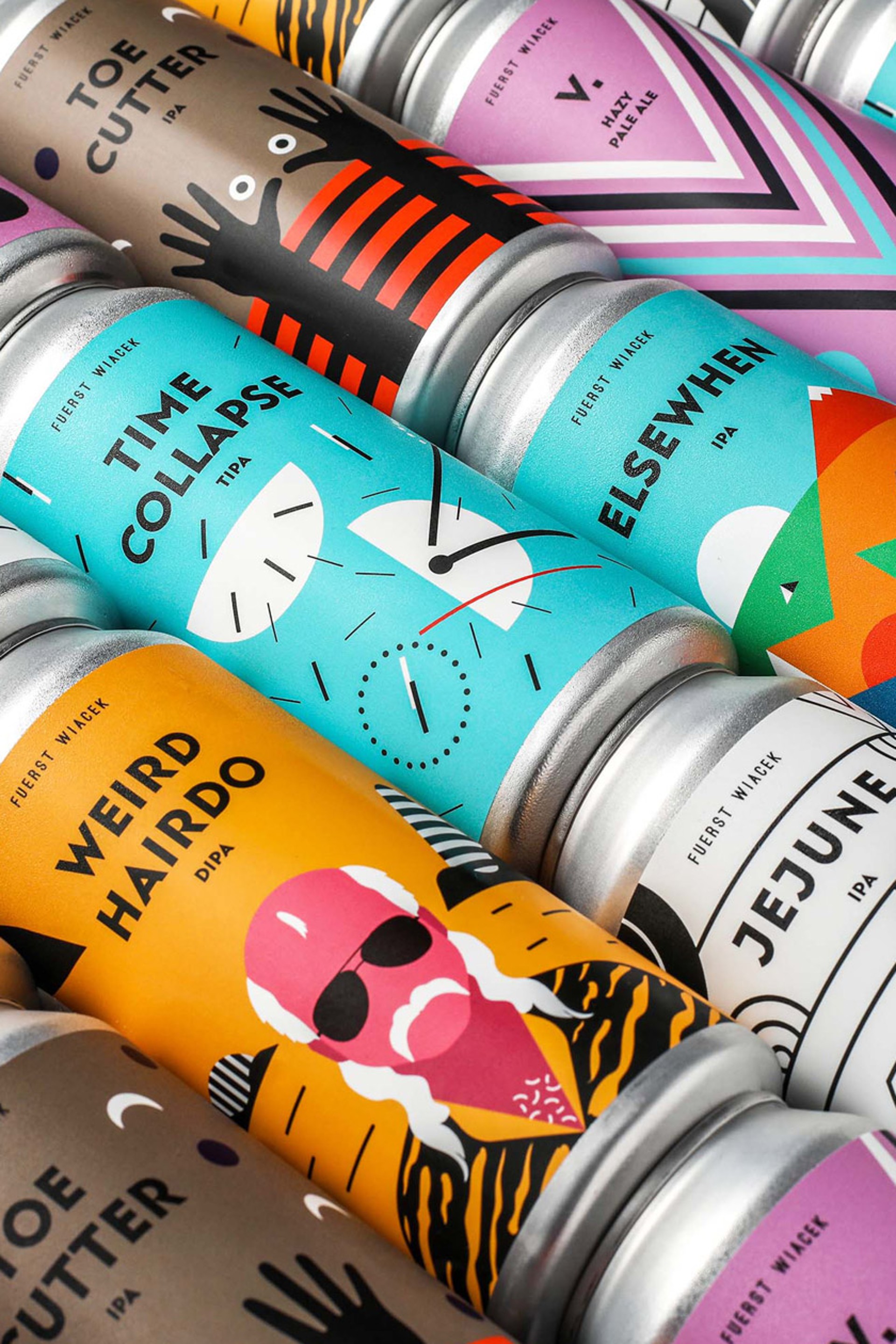
The heart of the new line is a first – not only for Fuerst Wiacek but also for our Italian subsidiary: The Canto can filler has only been on the market since late 2020, and the Berlin brewery marks its first installation in Germany. With it, the Fuerst Wiacek team can now fill up to 6,000 cans per hour. At their current rate of production, that makes for one or two canning days per week. A vacuum rinser is installed upstream to blow out the empty cans with ionized air before filling.
Kosme Canto
This can filler complements the Krones Group’s range of can fillers with equipment for smaller outputs. With the Canto, Kosme has brought together two worlds: the proven technology of the Krones Modulfill series and Kosme’s own expertise in meeting the unique needs of smaller producers. The new line can achieve speeds starting at 3,000 cans per hour.
Because Fuerst Wiacek changes its selection of beers frequently, they use blank aluminum cans and then apply pressure-sensitive wrap-around labels after filling. Labeling is done by a Kosme Sensicol Linear, which is ideally suited to the needs of the lower output range. Because of the relatively small volume involved, the team still packs the filled cans by hand.
Hoppy outlook
Right now, Georg and Lukasz are in the early stages yet with their brewery. They’re still getting to know their equipment – theirs for the first time. “Our goal is to establish good production that runs smoothly and is fun,” says Georg. But he’s also already looking to the future: “Krones was thinking ahead from the beginning and left room in the layout for expansion. And of course we plan to use it eventually, filling it with additional equipment and tanks.”
As a new brewery, it surely took a good bit of courage to invest in their own equipment in the middle of the coronavirus pandemic. But the situation also offered opportunities, as Georg recognizes: “I think people have developed a greater awareness and appreciation for high-quality food and drink in the last year and a half – and that fits in perfectly with our philosophy.”